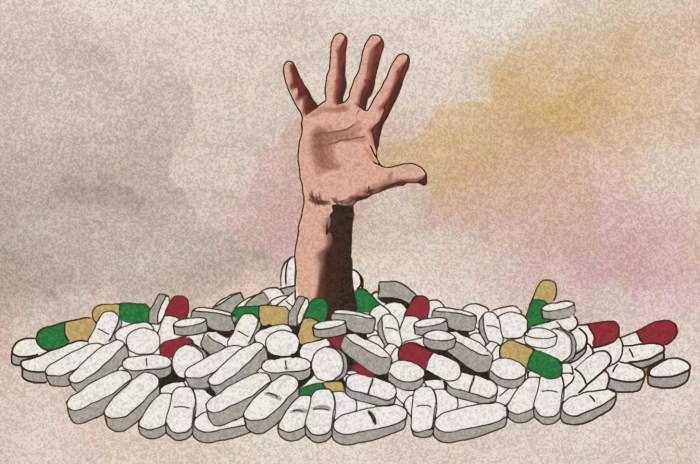
Prescription drug opioids crisis sets the stage for this enthralling narrative, offering readers a glimpse into a story that is rich in detail and brimming with originality from the outset. In this detailed discussion, we delve into the impact, causes, and challenges surrounding this pressing issue.
Prescription Drug Opioids Crisis
The prescription drug opioids crisis refers to the widespread misuse and addiction to opioid medications that are prescribed for pain management. This crisis has had a devastating impact on society, leading to a significant increase in overdose deaths, addiction rates, and strain on healthcare systems and communities.
Factors Contributing to the Rise of Prescription Drug Opioids Crisis
- The aggressive marketing tactics of pharmaceutical companies promoting opioids as safe and effective pain relief solutions.
- Overprescription of opioids by healthcare providers without proper monitoring or consideration of the potential risks of addiction.
- Lack of public awareness about the addictive nature of opioids and the dangers associated with their misuse.
- Inadequate regulations and oversight in the pharmaceutical industry, allowing for easy access to these highly addictive drugs.
Challenges Faced in Addressing the Prescription Drug Opioids Crisis
- Stigma around addiction and mental health issues, preventing individuals from seeking help or receiving adequate treatment.
- Limited access to effective addiction treatment programs and resources, leading to high rates of relapse among individuals struggling with opioid addiction.
- Complexity of addressing the root causes of the crisis, including social and economic factors that contribute to substance abuse and addiction.
- Resistance to policy changes and interventions that could help prevent opioid misuse and overdose deaths.
Prescription Drugs
Prescription drugs play a significant role in the opioids crisis, with certain types being more commonly associated with addiction and misuse than others. It is crucial to understand the various prescription drugs involved and the importance of proper management in healthcare.
Common Types of Prescription Drugs
- Opioids: These are powerful pain relievers that can be highly addictive, such as oxycodone (OxyContin), hydrocodone (Vicodin), and fentanyl.
- Benzodiazepines: Used to treat anxiety and sleep disorders, examples include alprazolam (Xanax) and diazepam (Valium).
- Stimulants: Prescribed for conditions like ADHD, drugs like Adderall and Ritalin can also be misused for their stimulating effects.
Examples of Prescription Drugs Leading to Addiction
- Opioids like oxycodone, when prescribed for acute pain management, can quickly lead to dependency and addiction if not carefully monitored.
- Benzodiazepines such as Xanax, used for short-term anxiety relief, can also result in addiction if used inappropriately or for extended periods.
Importance of Proper Prescription Drug Management
Proper prescription drug management in healthcare is crucial to prevent misuse, addiction, and overdose. Healthcare providers must carefully assess the necessity of prescribing opioids and other potentially addictive drugs, while also monitoring patients for signs of misuse or dependency. Patient education on the risks of prescription drugs and the importance of following dosage instructions is essential in combating the opioids crisis.
Preventive Medicine
Preventive medicine plays a crucial role in addressing the prescription drug opioids crisis by focusing on strategies to reduce the misuse and overuse of prescription opioids before it becomes a problem. By implementing preventive measures, healthcare providers can help patients avoid the potential risks associated with opioid medications.
Preventive Medicine Strategies
- Educating Patients: Healthcare providers can educate patients about the risks and benefits of prescription opioids, as well as alternative pain management strategies. This can help patients make informed decisions about their treatment options.
- Monitoring Prescription Patterns: Implementing prescription drug monitoring programs can help healthcare providers identify patients who may be at risk of opioid misuse. By tracking prescription patterns, providers can intervene early and prevent misuse.
- Implementing Non-Opioid Pain Management Techniques: Encouraging the use of non-opioid pain management techniques, such as physical therapy, acupuncture, and cognitive-behavioral therapy, can help reduce the reliance on opioid medications for pain management.
- Collaborating with Mental Health Professionals: Addressing underlying mental health issues, such as anxiety and depression, can help reduce the need for opioids to manage emotional distress. Collaborating with mental health professionals can provide holistic care for patients.
Primary Care
Primary care physicians play a crucial role in preventing and managing prescription drug misuse by their patients.
Challenges Faced by Primary Care Providers
- Time constraints during patient visits can make it challenging for primary care providers to thoroughly assess and monitor patients for potential misuse of prescription opioids.
- Limited training and resources on identifying and addressing substance use disorders can hinder providers from effectively managing patients with prescription drug misuse.
- Balancing the need to alleviate patient pain with the risks of opioid addiction and overdose poses a difficult challenge for primary care physicians.
Best Practices for Primary Care Settings
- Implementing prescription drug monitoring programs to track patients’ opioid prescriptions and identify potential misuse patterns.
- Enhancing provider education on safe prescribing practices, alternative pain management strategies, and screening tools for substance use disorders.
- Engaging in open and honest discussions with patients about the risks and benefits of opioid therapy, as well as setting clear expectations for treatment goals and monitoring.
Public Health
The prescription drug opioids crisis has had a profound impact on public health, leading to a surge in addiction, overdose deaths, and the spread of infectious diseases such as HIV and hepatitis. The overprescription and misuse of opioids have contributed to a nationwide epidemic that has affected individuals, families, and communities across the country.
Impact of the Crisis
Public health initiatives aimed at combating the prescription drug opioids crisis have focused on several key areas, including increasing access to addiction treatment and recovery services, expanding naloxone distribution to prevent overdose deaths, implementing prescription drug monitoring programs to track opioid prescriptions, and raising awareness about the risks of opioid misuse.
Public Health Initiatives
- Expanding access to addiction treatment and recovery services for individuals struggling with opioid use disorder.
- Distributing naloxone, a medication that can reverse opioid overdoses, to first responders, healthcare providers, and community members.
- Implementing prescription drug monitoring programs to track opioid prescriptions and prevent doctor shopping and overprescribing.
- Increasing public education and awareness campaigns about the dangers of opioid misuse and the importance of safe prescribing practices.
Healthcare Providers and Public Health Collaboration
Healthcare providers and public health agencies have collaborated to address the prescription drug opioids crisis by working together to develop and implement comprehensive strategies that promote safe prescribing practices, increase access to addiction treatment, and raise awareness about the risks of opioid misuse. This collaboration has been essential in coordinating efforts to combat the crisis and improve public health outcomes.
In conclusion, the Prescription drug opioids crisis is a complex issue that requires a multi-faceted approach for effective resolution. By understanding the various aspects discussed, we can work towards combating this crisis and promoting a healthier society.
User Queries
What are the common factors contributing to the rise of the prescription drug opioids crisis?
The rise of the crisis can be attributed to factors such as overprescribing, lack of proper monitoring, and increased availability of opioids.
How can preventive medicine help reduce the misuse of prescription opioids?
Preventive medicine focuses on education, awareness, and early intervention to reduce the likelihood of opioid misuse before it occurs.
What role do primary care physicians play in addressing prescription drug misuse?
Primary care physicians play a crucial role in preventing, identifying, and managing prescription drug misuse through patient education and monitoring.
What public health initiatives are in place to combat the prescription drug opioids crisis?
Public health initiatives include increasing awareness, expanding access to treatment, and implementing policies to regulate opioid prescriptions.