
As Public health crisis management takes center stage, this opening passage beckons readers with engaging insights into the importance of effective crisis management, key strategies for prevention, and successful examples of crisis management in public health.
Exploring the role of prescription drugs, preventive medicine, primary care, and public health initiatives, this discussion delves into the intricate web of factors that contribute to managing public health crises.
Public Health Crisis Management
Effective crisis management in public health is crucial to protect the well-being of communities, minimize the spread of diseases, and save lives. It involves timely responses, coordination among relevant organizations, and clear communication to the public.
Examples of Public Health Crises
- The COVID-19 pandemic: The global response to COVID-19 required effective crisis management to implement preventive measures, distribute vaccines, and provide healthcare services.
- The Ebola outbreak: Countries affected by the Ebola virus had to manage the crisis by isolating infected individuals, conducting contact tracing, and educating the public on preventive measures.
Key Strategies for Preventing and Handling Public Health Crises
Preparedness and proactive measures are essential in preventing and handling public health crises. Some key strategies include:
- Early detection and surveillance systems to identify potential threats.
- Rapid response and coordination among healthcare providers, government agencies, and international organizations.
- Effective communication to inform the public about risks, preventive measures, and available resources.
- Capacity building in healthcare facilities to handle surges in patients during a crisis.
- Collaboration with the community to promote compliance with public health guidelines and interventions.
Prescription Drugs
Prescription drugs play a crucial role in public health crisis management by providing targeted treatments for various health conditions. These medications are prescribed by healthcare professionals to help individuals recover from illnesses, manage symptoms, and prevent complications.
Use in Acute Crises
During acute crises, such as infectious disease outbreaks or natural disasters, prescription drugs are often used to treat sudden and severe health issues. For example, antibiotics may be prescribed to combat bacterial infections during a disease outbreak, while pain medications can help alleviate discomfort caused by injuries in disaster situations.
Use in Chronic Health Conditions
For chronic health conditions like diabetes, hypertension, or mental health disorders, prescription drugs are essential for long-term management and control. These medications help individuals maintain stable health conditions, prevent complications, and improve overall quality of life.
Challenges in Access, Affordability, and Misuse
- Access: One major challenge is ensuring that individuals have access to necessary prescription drugs during a crisis. Disruptions in supply chains, overwhelmed healthcare systems, and limited resources can hinder the availability of medications.
- Affordability: Affordability of prescription drugs can be a significant barrier, especially for marginalized communities or those facing financial hardships. High costs may prevent individuals from obtaining essential medications, leading to worsened health outcomes.
- Misuse: During crises, there is a risk of prescription drug misuse, including overuse, underuse, or incorrect use. Mismanagement of medications can result in adverse effects, drug resistance, or treatment failure, further complicating the crisis response.
Preventive Medicine
Preventive medicine plays a crucial role in managing public health crises by focusing on proactive measures to prevent diseases and minimize their impact on communities. By emphasizing prevention rather than just treatment, public health officials can reduce the spread of illnesses and improve overall population health.
Examples of Preventive Measures
- Regular handwashing: Encouraging proper hand hygiene can help prevent the spread of infectious diseases such as the flu and COVID-19.
- Healthy lifestyle promotion: Promoting a balanced diet, regular exercise, and adequate sleep can strengthen the immune system and reduce the risk of chronic diseases.
- Environmental sanitation: Ensuring clean water supply, proper waste disposal, and sanitation practices can prevent the spread of water-borne diseases.
Role of Vaccination Programs and Health Education
Vaccination programs are essential in preventive medicine during crises as they help build immunity against specific diseases, reducing the likelihood of outbreaks. Health education also plays a crucial role in empowering individuals with knowledge about disease prevention, symptoms recognition, and proper health practices. By promoting vaccination and providing accurate health information, public health authorities can effectively prevent and control the spread of diseases during crises.
Primary Care
Primary care plays a crucial role in addressing public health emergencies by serving as the first point of contact for individuals seeking healthcare services. During times of crisis, primary care providers are essential in identifying, managing, and coordinating the response to public health threats. Their role extends beyond individual patient care to encompass community-level interventions and preventive measures.
Importance of Primary Care in Crisis Management
- Primary care providers are well-positioned to identify early signs of outbreaks and infectious diseases within the community.
- They play a key role in educating and guiding patients on preventive measures to reduce the spread of diseases during emergencies.
- Primary care services help alleviate the burden on hospitals and emergency departments by managing non-emergency cases effectively.
Ways Primary Care Providers Contribute to Crisis Management
- Offering telehealth services to ensure continuity of care and reach patients who may be unable to visit healthcare facilities in person.
- Participating in public health initiatives such as vaccination campaigns and contact tracing efforts to control the spread of diseases.
- Collaborating with local health authorities and emergency response teams to develop and implement preparedness plans for future crises.
Challenges Faced by Primary Care Services During Crisis
- Shortage of personal protective equipment (PPE) and medical supplies can hinder the ability of primary care providers to deliver safe and effective care.
- Increased demand for services during emergencies can strain primary care facilities and lead to overwhelmed staff and resources.
- Lack of clear communication and coordination between primary care providers and public health agencies may result in gaps in crisis response efforts.
Public Health
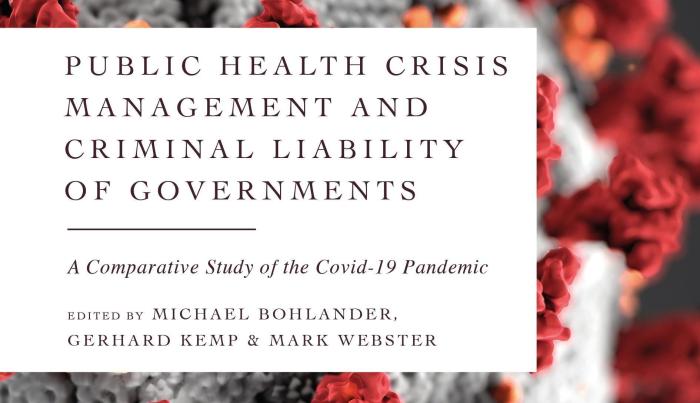
Public health plays a crucial role in crisis management by implementing strategies to prevent the spread of diseases, promote health education, and ensure the well-being of communities during emergencies.
Role of Public Health Initiatives in Crisis Management
- Public health initiatives focus on disease surveillance, early detection, and rapid response to outbreaks to control the spread of infections.
- These initiatives also involve implementing vaccination campaigns, promoting hygiene practices, and providing access to healthcare services to mitigate the impact of crises on public health.
- Public health agencies collaborate with governments, healthcare providers, and communities to develop comprehensive crisis management plans and coordinate resources effectively.
Collaboration Between Public Health Agencies, Governments, and Communities
- During crises, public health agencies work closely with governments to establish policies, guidelines, and protocols for managing emergencies and ensuring public safety.
- Communities play a vital role in crisis management by following public health recommendations, participating in awareness campaigns, and supporting vulnerable populations.
- The collaboration between these stakeholders is essential for effective communication, resource allocation, and coordinated efforts to address public health needs during emergencies.
Effectiveness of Public Health Interventions in Disease Control
- Public health interventions such as contact tracing, isolation/quarantine measures, and mass testing have been effective in containing the spread of diseases like COVID-19.
- Educational campaigns on preventive measures, promoting vaccination, and ensuring access to healthcare services have contributed to reducing the impact of emergencies on public health.
- Continuous monitoring, evaluation, and adaptation of public health strategies are essential to enhance the effectiveness of interventions in mitigating the spread of diseases during crises.
Delving into the complexities of crisis management in public health, this discussion has shed light on the critical strategies, challenges, and collaborative efforts essential in mitigating the impact of health crises on communities and societies.
FAQ Summary
How can vaccination programs help in preventive medicine during crises?
Vaccination programs play a crucial role in preventive medicine by building immunity against diseases, reducing the likelihood of outbreaks during crises.
What are some challenges faced by primary care services during times of crisis?
Primary care services may face challenges such as overwhelmed healthcare systems, shortage of medical supplies, and increased demand for healthcare services during crises.
How effective are public health interventions in mitigating the spread of diseases during emergencies?
Public health interventions, when implemented timely and efficiently, can significantly reduce the spread of diseases during emergencies by implementing measures such as quarantine, contact tracing, and public awareness campaigns.


