
Exploring the realm of environmental public health unveils crucial factors shaping public well-being, shedding light on the pivotal role of addressing these issues for societal health.
Delve deeper into the significance of environmental public health and its implications on overall community welfare.
Environmental public health
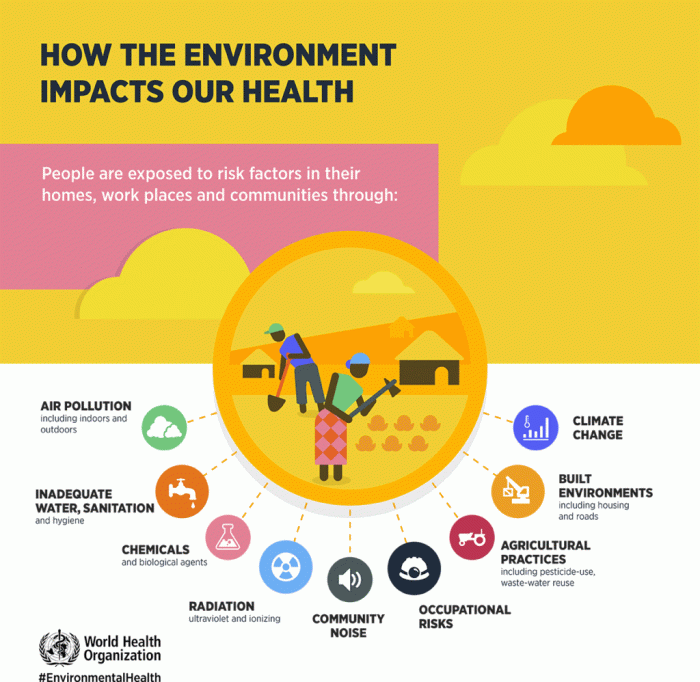
Environmental public health focuses on the study of how environmental factors can affect human health. This includes examining the impact of air quality, water quality, food safety, and other environmental elements on individuals and communities.
Key factors impacting environmental public health
- Pollution: Air, water, and soil pollution can have detrimental effects on human health, leading to respiratory issues, skin conditions, and other illnesses.
- Climate change: Rising global temperatures, extreme weather events, and altered disease patterns can all influence public health outcomes.
- Waste management: Improper disposal of waste can contaminate the environment and pose health risks to individuals living in affected areas.
- Chemical exposure: Contact with harmful chemicals in the environment, whether through work or daily activities, can lead to various health problems.
Importance of addressing environmental public health issues
It is crucial to address environmental public health issues to ensure the well-being of current and future generations. By mitigating environmental risks and promoting healthy living environments, we can reduce the prevalence of diseases and enhance overall quality of life. Public health interventions and policies play a key role in safeguarding communities from the adverse effects of environmental hazards.
Prescription drugs
Prescription drugs play a crucial role in healthcare by treating various medical conditions and improving the quality of life for patients. These medications are prescribed by healthcare professionals based on individual needs and medical history.
Benefits and risks
- Benefits:
- Effectively treat specific health conditions
- Help manage symptoms and improve quality of life
- Prevent complications and progression of diseases
- Risks:
- Potential side effects and adverse reactions
- Drug interactions that can result in harmful effects
- Misuse or overuse leading to dependency or addiction
Regulations
Prescription drugs are regulated by government agencies to ensure safety, efficacy, and quality. These regulations include:
- Approval process by regulatory authorities before marketing
- Monitoring of adverse reactions and safety concerns post-approval
- Restrictions on prescribing and dispensing to prevent misuse
- Labeling requirements for clear instructions and warnings
Preventive medicine
Preventive medicine plays a crucial role in healthcare by focusing on preventing diseases before they occur, rather than just treating them after they have developed. It aims to keep individuals healthy and improve overall well-being.
Strategies for Preventive Medicine
- Regular Health Screenings: Screening tests can help detect potential health issues early, allowing for timely intervention.
- Healthy Lifestyle Promotion: Encouraging healthy habits such as proper nutrition, regular exercise, and stress management can prevent many chronic conditions.
- Vaccinations: Immunizations can prevent the spread of infectious diseases and protect individuals from serious illnesses.
- Genetic Testing: Identifying genetic predispositions to certain diseases can help individuals take preventive measures to reduce risks.
Impact of Preventive Medicine on Public Health Outcomes
Preventive medicine has a significant impact on public health outcomes by reducing the burden of disease, improving quality of life, and lowering healthcare costs. By focusing on prevention rather than treatment, it helps in creating healthier communities and populations.
Primary care
Primary care plays a crucial role in healthcare systems as it serves as the first point of contact for individuals seeking medical assistance. It focuses on providing comprehensive and continuous care to patients, emphasizing preventive measures and health promotion.
Services offered in primary care settings
- Regular check-ups and screenings to monitor overall health and detect any potential issues early on.
- Management of chronic conditions such as diabetes, hypertension, and asthma.
- Treatment of minor illnesses and injuries.
- Referrals to specialists when necessary.
- Health education and counseling on various topics such as nutrition, exercise, and mental health.
Importance of access to primary care
Access to primary care is crucial for overall health and well-being due to the following reasons:
- Early detection and management of health conditions, leading to better health outcomes and lower healthcare costs in the long run.
- Preventive services offered in primary care settings help individuals maintain good health and prevent the development of serious illnesses.
- Continuity of care ensures that patients receive personalized and coordinated treatment plans that address their unique needs.
- Primary care providers often serve as advocates for their patients, helping them navigate the healthcare system and make informed decisions about their health.
Public Health
Public health is the science and practice of preventing disease, prolonging life, and promoting health through organized efforts of society. It focuses on the health of populations rather than individuals, aiming to improve the overall well-being of communities.
Scope of Public Health
Public health encompasses a wide range of activities, including disease prevention, health promotion, surveillance, policy development, and research. It involves addressing social, economic, and environmental determinants of health to create conditions in which people can be healthy.
- Implementing vaccination programs to prevent infectious diseases.
- Monitoring and controlling outbreaks of communicable diseases.
- Educating the public about healthy behaviors and lifestyle choices.
- Advocating for policies that promote clean air and water.
Public health works to improve the health of communities by focusing on prevention and addressing underlying factors that influence health outcomes.
Role of Public Health in Promoting Population Health
Public health plays a critical role in promoting population health by implementing strategies to prevent disease and injury, promoting healthy behaviors, and ensuring access to quality healthcare services. It works to address health disparities and inequities, striving to create a more equitable and healthier society for all.
- Developing and implementing health education programs to raise awareness about health issues.
- Conducting research to identify risk factors and interventions to improve population health.
- Collaborating with various sectors, such as government, healthcare, and community organizations, to address public health challenges.
Public health initiatives are essential for improving the overall health and well-being of communities, emphasizing prevention and health promotion.
Challenges and Opportunities in Public Health
The field of public health faces various challenges, including limited resources, emerging infectious diseases, health disparities, and the impact of environmental changes on health. However, these challenges also present opportunities for innovation, collaboration, and advocacy to address complex public health issues.
- Adapting to new and evolving public health threats, such as pandemics and climate change.
- Advocating for policies that support public health initiatives and address social determinants of health.
- Utilizing data and technology to enhance public health surveillance and response efforts.
Despite the challenges, public health professionals continue to work towards creating a healthier future for all by addressing current issues and anticipating future health needs.
In conclusion, understanding and tackling environmental public health challenges is paramount for ensuring a healthier and sustainable future for all.
Quick FAQs
What are some common environmental factors that impact public health?
Factors like air pollution, water contamination, and exposure to harmful chemicals can significantly impact public health.
How does addressing environmental public health benefit society?
By addressing environmental public health, communities can experience improved overall health outcomes and a better quality of life.
What role does government policy play in environmental public health?
Government policies are essential in regulating industries and practices that may harm the environment and public health.
Is climate change considered a significant factor in environmental public health?
Yes, climate change can have far-reaching implications on environmental factors that directly impact public health.


