
Delving into the complex world of prescription drug addiction, this discussion unravels the nuances of this prevalent issue, shedding light on its impact and available solutions. From defining the problem to exploring treatment options, this narrative offers a comprehensive look at prescription drug addiction.
Exploring the causes, effects, and preventive strategies associated with this addiction unveils a multifaceted approach towards understanding and addressing this pressing public health concern.
Overview of Prescription Drug Addiction
Prescription drug addiction refers to the compulsive use of prescription medications, leading to negative consequences on a person’s physical and mental health. It is a growing problem globally, with millions of individuals affected by this type of substance abuse.
Prevalence of Prescription Drug Addiction
Prescription drug addiction is a prevalent issue, affecting individuals of all ages and backgrounds. According to the National Institute on Drug Abuse (NIDA), in the United States alone, an estimated 18 million people misuse prescription drugs at least once in their lifetime.
Difference from Other Forms of Substance Abuse
Unlike illicit drugs such as cocaine or heroin, prescription drug addiction involves the misuse of medications that are legally prescribed by healthcare professionals. This distinction can sometimes make it harder for individuals to recognize the signs of addiction and seek help.
Commonly Abused Prescription Drugs
- Opioids: Prescription painkillers like OxyContin, Vicodin, and Percocet are commonly abused for their euphoric effects.
- Benzodiazepines: Drugs like Xanax and Valium, prescribed for anxiety and sleep disorders, are often misused for their sedative properties.
- Stimulants: Medications like Adderall and Ritalin, prescribed for conditions like ADHD, are abused for their stimulant effects.
Causes of Prescription Drug Addiction
Prescription drug addiction can be influenced by various factors, ranging from genetic predispositions to mental health conditions.
Genetic Predisposition
Some individuals may have a genetic predisposition that makes them more vulnerable to developing an addiction to prescription drugs. Certain genetic traits can impact how the body processes and responds to these medications, increasing the risk of dependence.
Mental Health Conditions
Individuals with underlying mental health conditions, such as anxiety disorders or depression, may be more likely to turn to prescription drugs as a way to self-medicate. The temporary relief provided by these medications can lead to a cycle of dependence and addiction, especially if proper mental health treatment is not sought.
Effects of Prescription Drug Addiction
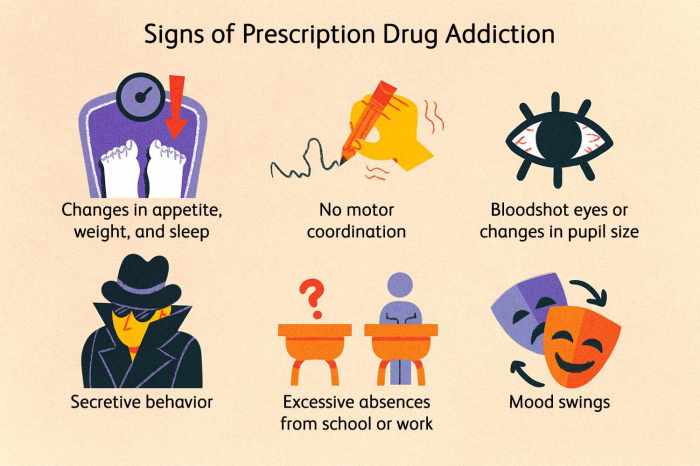
Prescription drug addiction can have severe consequences on the body, mind, and social life of individuals. Here, we will explore the physical, psychological, and social effects of long-term prescription drug abuse.
Physical Effects of Prescription Drug Addiction
- Chronic pain and damage to organs such as the liver and kidneys due to prolonged use of prescription drugs.
- Increased risk of respiratory depression, seizures, and heart problems, especially when combined with other substances.
- Tolerance and dependence on the drug, leading to withdrawal symptoms when attempting to stop using.
Psychological Effects of Prescription Drug Addiction
- Changes in mood, behavior, and thought patterns, often leading to depression, anxiety, and paranoia.
- Cognitive impairments, such as memory loss, confusion, and decreased problem-solving abilities.
- Increased risk of developing mental health disorders, like psychosis or schizophrenia, as a result of long-term drug abuse.
Social Consequences of Prescription Drug Addiction
- Strained relationships with family and friends due to behavioral changes and prioritizing drug use over personal connections.
- Decreased performance at work or school, resulting in job loss, academic failure, or financial instability.
- Social isolation and withdrawal from social activities, leading to feelings of loneliness and disconnection from the community.
Treatment and Recovery Options
Prescription drug addiction can be effectively treated through a combination of therapy and medication-assisted treatment. It is essential for individuals struggling with addiction to seek professional help to overcome their dependence on prescription drugs.
Therapy
Therapy, such as cognitive-behavioral therapy (CBT) or individual counseling, can help individuals understand the root causes of their addiction and develop coping mechanisms to prevent relapse. By addressing underlying issues and learning healthy ways to manage stress, therapy plays a crucial role in the recovery process.
Medication-Assisted Treatment
Medication-assisted treatment (MAT) involves the use of medications, such as methadone or buprenorphine, to help manage withdrawal symptoms and cravings. This approach, combined with counseling and behavioral therapies, has been shown to improve treatment outcomes and reduce the risk of relapse.
Support Systems
Having a strong support system is vital for individuals recovering from prescription drug addiction. Family, friends, support groups, and healthcare professionals can provide encouragement, guidance, and accountability throughout the recovery journey. Building a network of positive influences can help individuals stay motivated and committed to their sobriety.
Challenges in Recovery
Recovery from prescription drug addiction can be challenging, as individuals may face triggers, cravings, and setbacks along the way. It is important for individuals to stay focused on their goals, practice self-care, and seek help when needed. By being aware of potential challenges and having a support system in place, individuals can navigate the recovery process more effectively.
Prevention Strategies for Prescription Drug Addiction
Prescription drug addiction is a serious issue that requires a multifaceted approach to prevention. By implementing preventive measures at both the individual and community levels, we can reduce the risk of addiction and improve overall public health.
Individual-Level Prevention
- Education: Individuals should be educated about the risks associated with prescription drugs and how to properly use them to avoid developing an addiction.
- Proper Medication Management: Patients should follow their healthcare provider’s instructions carefully, including dosage and frequency of use, to prevent misuse or overuse.
- Regular Check-Ins: Patients should have regular check-ins with their healthcare providers to monitor their progress and ensure that the medication is still necessary.
Healthcare Provider Practices
- Responsible Prescribing: Healthcare providers should carefully assess each patient’s medical history and risk factors before prescribing addictive medications.
- Monitoring: Providers should monitor patients closely for signs of misuse or addiction and intervene early if necessary.
- Alternative Treatments: Whenever possible, healthcare providers should explore non-addictive treatment options before resorting to prescription drugs.
Community-Based Initiatives
- Public Awareness Campaigns: Community organizations can raise awareness about the dangers of prescription drug abuse through educational campaigns and outreach programs.
- Disposal Programs: Community centers and pharmacies can provide safe disposal options for unused or expired medications to prevent diversion and misuse.
- Support Groups: Community-based support groups can offer resources and assistance to individuals struggling with prescription drug addiction.
Role of Prescription Drugs in Preventive Medicine
Prescription drugs play a crucial role in preventive medicine by managing chronic conditions and reducing the risk of complications. Adherence to prescription drug regimens is essential in preventing disease progression and maintaining overall health outcomes.
Managing Chronic Conditions
Prescription drugs are often prescribed to manage chronic conditions such as hypertension, diabetes, and high cholesterol. These medications help control symptoms and reduce the risk of complications associated with these conditions.
- Prescription drugs for hypertension help lower blood pressure levels, reducing the risk of heart disease, stroke, and kidney damage.
- Medications for diabetes help control blood sugar levels, preventing complications such as nerve damage, kidney disease, and vision problems.
- Cholesterol-lowering drugs reduce the risk of heart disease and stroke by managing cholesterol levels in the blood.
Importance of Adherence to Prescription Drug Regimens
Adherence to prescribed medication regimens is crucial for preventing disease progression and maintaining optimal health. Failure to take medications as directed can lead to worsening symptoms, increased risk of complications, and reduced effectiveness of treatment.
- Skipping doses or stopping medications abruptly can result in uncontrolled symptoms and disease progression.
- Following the prescribed dosage and schedule helps ensure the medication works effectively to manage the condition and prevent complications.
- Consulting healthcare providers before making any changes to medication regimens is essential to prevent adverse reactions and treatment failure.
Impact on Public Health Outcomes
The use of prescription drugs in preventive medicine has a significant impact on improving overall public health outcomes. By effectively managing chronic conditions and preventing disease progression, prescription medications contribute to reducing healthcare costs, hospitalizations, and mortality rates.
- Improved management of chronic conditions leads to better quality of life and increased life expectancy among individuals.
- Prevention of complications through medication adherence reduces the burden on healthcare systems and resources.
- Public health initiatives promoting medication adherence and access to essential prescription drugs are essential for improving population health outcomes.
Prescription Drugs in Primary Care
Prescription drugs play a crucial role in primary care settings for treating both acute and chronic conditions. Primary care providers are often the first point of contact for patients seeking medical assistance, making them responsible for prescribing medications to manage various health issues.
Challenges Faced by Primary Care Providers
Primary care providers face several challenges when it comes to managing prescription drug use among patients. These challenges include:
- Ensuring the appropriate use of prescription drugs to avoid misuse or overuse
- Managing patients with complex medication regimens and potential drug interactions
- Addressing patient concerns about side effects and efficacy of prescribed medications
- Balancing the need for pain management with the risks of opioid addiction
Benefits of an Integrated Approach to Prescribing Medications
An integrated approach to prescribing medications in primary care involves coordination between healthcare providers, pharmacists, and patients to optimize treatment outcomes. Some benefits of this approach include:
- Improved communication and collaboration among healthcare team members
- Enhanced medication adherence and patient education on proper drug use
- Reduced risk of medication errors and adverse drug reactions
- Personalized treatment plans tailored to individual patient needs
Public Health Implications of Prescription Drug Addiction
Prescription drug addiction has far-reaching public health implications that affect individuals, families, communities, and society as a whole. The misuse and abuse of prescription medications can lead to a range of negative outcomes, including increased healthcare costs, higher rates of overdose deaths, and a rise in substance use disorders.
Economic Costs of Prescription Drug Abuse
Prescription drug addiction not only takes a toll on individual health but also has significant economic implications. The costs associated with treating prescription drug abuse and addiction include medical expenses, lost productivity, criminal justice expenses, and costs related to social services. These economic burdens can strain healthcare systems, government budgets, and the overall economy.
Policy Interventions for Addressing Prescription Drug Addiction
To combat the public health crisis of prescription drug addiction, policymakers have implemented various interventions. These may include strategies such as increasing access to addiction treatment services, enhancing prescription drug monitoring programs, implementing educational campaigns to raise awareness about the risks of prescription drug abuse, and regulating the prescribing practices of healthcare providers. Additionally, policies aimed at reducing the availability of prescription drugs through proper disposal methods and drug take-back programs can help prevent misuse and diversion.
In conclusion, the journey through the realm of prescription drug addiction highlights the need for awareness, support, and proactive measures to combat this growing epidemic. By recognizing the challenges and opportunities in treatment and prevention, individuals can strive towards a healthier, drug-free future.
Popular Questions
What are the long-term physical effects of prescription drug abuse?
Long-term prescription drug abuse can lead to organ damage, cardiovascular issues, and neurological complications.
How can individuals prevent prescription drug addiction at a personal level?
Individuals can prevent addiction by following prescribed doses strictly, avoiding sharing medications, and seeking non-pharmacological treatments where possible.
What is the role of genetics in predisposing individuals to prescription drug addiction?
Genetic factors can influence how individuals respond to certain drugs, potentially increasing the risk of addiction.


