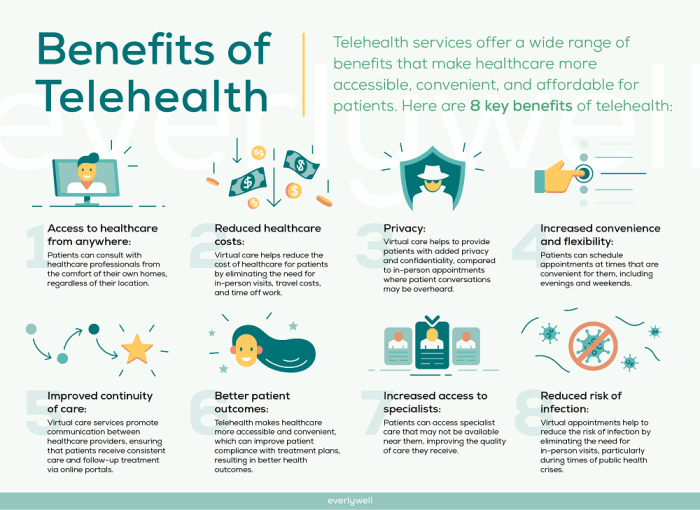
Delving into Telemedicine prescription drugs, this introduction immerses readers in a unique and compelling narrative, with engaging insights on how technology is transforming the way prescription medications are accessed and managed.
As we explore the landscape of telemedicine in prescribing drugs, we uncover the integral role it plays in enhancing convenience and access to essential healthcare services.
Telemedicine Prescription Drugs
Telemedicine in relation to prescribing drugs involves healthcare providers consulting with patients remotely through technology to diagnose and treat various medical conditions, including issuing prescriptions for medications.
Benefits of Telemedicine Prescription Drugs
- Convenience: Patients can receive medical advice and prescriptions from the comfort of their homes, eliminating the need to travel to a physical clinic.
- Accessibility: Telemedicine allows individuals in remote or underserved areas to access healthcare services and prescription drugs.
- Cost-Effective: Virtual consultations can be more affordable compared to in-person visits, saving patients time and money.
Challenges of Telemedicine Prescription Drugs
- Regulatory Issues: Different states and countries have varying regulations regarding telemedicine and prescribing drugs, creating challenges for healthcare providers.
- Lack of Physical Examination: Without a face-to-face interaction, healthcare providers may face limitations in conducting a thorough physical examination of patients.
- Technology Barriers: Some individuals may not have access to the necessary technology or internet connection required for telemedicine consultations.
Examples of Telemedicine Platforms for Prescription Drug Services
- MDLive: Offers virtual consultations with healthcare providers who can diagnose conditions and prescribe medications.
- Amwell: Provides online doctor visits for a range of medical issues, including the ability to receive prescriptions electronically.
- PlushCare: Allows patients to schedule appointments with virtual doctors and receive prescriptions for medications when needed.
Prescription Drugs
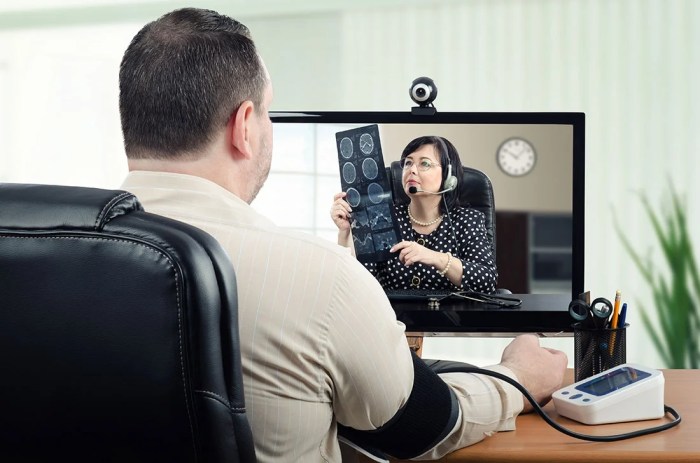
Prescription drugs are medications that can only be obtained with a prescription from a licensed healthcare provider. They differ from over-the-counter medications, which can be purchased without a prescription, in terms of their potency, potential side effects, and the need for professional guidance.
Importance of Following Prescribed Medication Regimens
Prescribed medication regimens are carefully designed by healthcare providers to address specific health conditions and individual needs. It is crucial to follow these regimens diligently to ensure the effectiveness of the treatment and to prevent potential complications. Failure to adhere to prescribed medication regimens can lead to treatment failure, worsening of symptoms, and even serious health risks.
Legal and Ethical Considerations
- Healthcare providers must adhere to legal regulations when prescribing medications, including ensuring that prescriptions are issued based on a valid patient-provider relationship and in accordance with state and federal laws.
- Prescribing drugs ethically involves considering the patient’s best interests, providing accurate information about the medication, and monitoring the patient’s response to treatment.
- Patients also have a responsibility to use prescribed medications as directed, report any side effects or concerns to their healthcare provider, and not share their prescription drugs with others.
Preventive Medicine
Prescription drugs play a crucial role in preventive medicine by helping individuals manage their health conditions before they escalate into more serious issues. These medications are often prescribed to reduce the risk of developing certain diseases or to prevent complications in individuals with existing health conditions.
Impact of Preventive Medications on Public Health Outcomes
- Preventive medications, such as statins, have been shown to significantly reduce the risk of heart attacks and strokes in individuals with high cholesterol levels.
- Vaccines are another form of preventive medication that have played a key role in controlling the spread of infectious diseases and improving public health outcomes.
- Regular use of aspirin has been linked to a lower risk of developing colorectal cancer in individuals with a family history of the disease.
Primary Care
Primary care physicians play a crucial role in prescribing medications as they are often the first point of contact for patients seeking medical treatment. These physicians are responsible for managing a wide range of health issues, including chronic conditions and acute illnesses, and prescribing medications to address these health concerns.
Role of Telemedicine in Primary Care Prescription Practices
Telemedicine is revolutionizing the landscape of primary care prescription practices by allowing patients to consult with healthcare providers remotely. Through telemedicine platforms, patients can receive virtual consultations with primary care physicians, who can then diagnose conditions and prescribe medications as needed. This shift towards telemedicine has made accessing primary care services more convenient and efficient for patients, especially those in rural or underserved areas.
- Improved Access to Care: Telemedicine eliminates barriers such as long travel times and wait times for appointments, allowing patients to receive timely care and prescriptions from the comfort of their own homes.
- Enhanced Convenience: Patients can easily schedule virtual appointments, consult with primary care physicians, and have prescriptions sent directly to their preferred pharmacy without the need for in-person visits.
- Continuity of Care: Telemedicine facilitates ongoing communication between patients and primary care physicians, ensuring that medication management and treatment plans are monitored and adjusted as needed.
Public Health
Public health initiatives are crucial for promoting the well-being of communities and populations as a whole. Prescription drugs play a significant role in these initiatives by providing necessary treatment and management for various health conditions. The impact of prescription drugs on public health can be analyzed through their accessibility, affordability, and effectiveness in improving health outcomes.
Impact of Prescription Drugs on Public Health Initiatives
Prescription drugs contribute to public health initiatives by addressing a wide range of medical conditions, from chronic diseases to acute illnesses. By providing access to necessary medications, prescription drugs help individuals manage their health conditions effectively, reducing the burden on healthcare systems and improving overall quality of life. Additionally, prescription drugs play a critical role in preventive medicine, helping to prevent the progression of diseases and reduce complications.
- Prescription drugs improve health outcomes by treating and managing various medical conditions.
- Access to prescription drugs promotes medication adherence and reduces hospitalizations.
- Effective use of prescription drugs can lead to better control of chronic diseases and improved quality of life.
Role of Prescription Drug Monitoring Programs in Safeguarding Public Health
Prescription drug monitoring programs (PDMPs) are designed to track and monitor the prescribing, dispensing, and use of controlled substances. These programs play a vital role in safeguarding public health by preventing misuse, abuse, and diversion of prescription drugs. PDMPs help healthcare providers identify potential cases of drug misuse or addiction, allowing for early intervention and appropriate treatment.
- PDMPs help identify inappropriate prescribing patterns and potential cases of drug diversion.
- Monitoring prescription drug use can prevent overdoses and adverse drug interactions.
- PDMPs promote safe prescribing practices and reduce the risk of substance use disorders.
Telemedicine’s Role in Improving Access to Prescription Drugs for Underserved Populations
Telemedicine offers a promising solution to improve access to prescription drugs and healthcare services for underserved populations, including rural communities and individuals with limited mobility. By leveraging technology to connect patients with healthcare providers remotely, telemedicine eliminates barriers to accessing prescription drugs, such as long travel distances and limited healthcare facilities. This approach not only enhances convenience for patients but also ensures timely and efficient delivery of medications.
- Telemedicine enables patients to consult with healthcare providers and receive prescriptions without physical visits.
- Remote monitoring and teleconsultation services help manage chronic conditions and ensure medication adherence.
- Telemedicine expands access to specialty care and mental health services, improving overall health outcomes for underserved populations.
In conclusion, the integration of telemedicine in prescription drug services not only improves healthcare accessibility but also opens up new possibilities for remote patient care and preventive medicine, marking a significant shift in the healthcare paradigm.
FAQ Corner
Can all medications be prescribed through telemedicine?
Not all medications can be prescribed via telemedicine, especially controlled substances that require in-person consultations.
Are prescription drugs more effective than over-the-counter medications?
Prescription drugs are formulated for specific conditions and are often more potent than over-the-counter options, but effectiveness can vary based on individual needs.
How does telemedicine impact public health outcomes?
Telemedicine can enhance public health by improving access to care and ensuring timely medication management, ultimately leading to better health outcomes for communities.