Delving into the realm of Prescription drug for anxiety, this introductory narrative entices readers with a wealth of information presented in a compelling and insightful manner.
Exploring the various facets of prescription drugs for anxiety, this discussion aims to shed light on their types, examples, and how they work to alleviate anxiety symptoms effectively.
Prescription Drug for Anxiety

Anxiety disorders are commonly treated with prescription medications that help alleviate symptoms and improve overall quality of life for individuals suffering from anxiety. These prescription drugs work by targeting specific neurotransmitters in the brain to regulate mood and reduce feelings of anxiety.
Common Types of Prescription Drugs for Anxiety
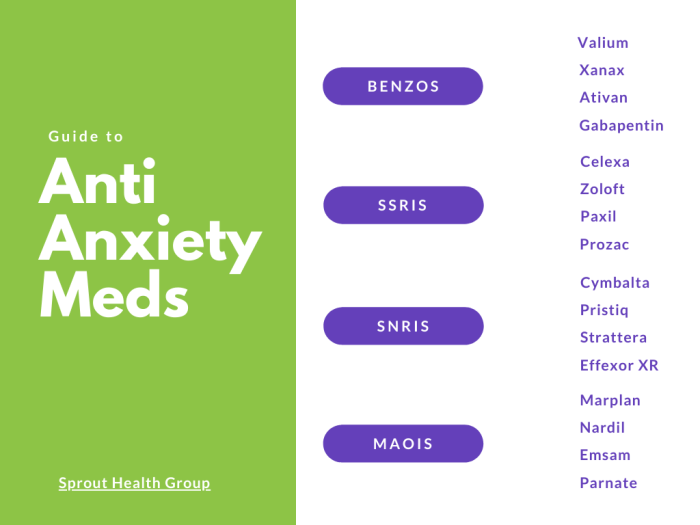
- Selective Serotonin Reuptake Inhibitors (SSRIs): SSRIs are a type of antidepressant that can also be used to treat anxiety disorders. They work by increasing levels of serotonin in the brain, which helps regulate mood and reduce anxiety.
- Benzodiazepines: Benzodiazepines are a type of sedative that can help relieve symptoms of anxiety by enhancing the effects of a neurotransmitter called gamma-aminobutyric acid (GABA). This results in a calming effect on the brain and body.
- Tricyclic Antidepressants: Tricyclic antidepressants are another type of antidepressant that can be prescribed for anxiety disorders. They work by affecting levels of neurotransmitters like serotonin and norepinephrine to improve mood and reduce anxiety symptoms.
Examples of Popular Prescription Drugs for Anxiety
- SSRIs: Examples include Prozac (fluoxetine), Zoloft (sertraline), and Lexapro (escitalopram).
- Benzodiazepines: Examples include Xanax (alprazolam), Ativan (lorazepam), and Klonopin (clonazepam).
- Tricyclic Antidepressants: Examples include Elavil (amitriptyline), Tofranil (imipramine), and Pamelor (nortriptyline).
Mechanism of Action of Prescription Drugs for Anxiety
Prescription drugs for anxiety work by targeting neurotransmitters in the brain that are involved in regulating mood and emotions. By influencing the levels of these neurotransmitters, these medications can help reduce symptoms of anxiety and improve overall mental well-being.
Preventive Medicine
Preventive medicine plays a crucial role in managing anxiety by focusing on strategies to reduce the risk of developing anxiety disorders. By implementing lifestyle modifications and proactive approaches, individuals can work towards preventing the onset of anxiety symptoms.
Lifestyle Modifications for Anxiety Prevention
- Regular Exercise: Engaging in physical activity releases endorphins, which can help improve mood and reduce stress levels.
- Healthy Diet: Consuming a balanced diet rich in fruits, vegetables, and whole grains can support overall well-being and mental health.
- Sleep Hygiene: Prioritizing quality sleep by establishing a consistent bedtime routine and creating a restful sleep environment can enhance emotional resilience.
- Stress Management Techniques: Practicing mindfulness, deep breathing, and relaxation exercises can help individuals cope with stressors effectively.
- Social Support: Building strong connections with friends, family, or support groups can provide emotional support and a sense of belonging, reducing feelings of isolation and anxiety.
Primary Care
Primary care physicians play a crucial role in prescribing medication for anxiety as they are often the first point of contact for individuals seeking help for their mental health concerns. These healthcare providers are trained to assess, diagnose, and treat a wide range of health conditions, including anxiety disorders.
Role of Primary Care Physicians in Prescribing Medication for Anxiety
Primary care physicians are authorized to prescribe medications for anxiety, such as selective serotonin reuptake inhibitors (SSRIs), benzodiazepines, and beta-blockers. They work closely with patients to determine the most appropriate medication based on the severity of symptoms, medical history, and individual preferences. Additionally, primary care physicians monitor the effectiveness of the prescribed medication and adjust the dosage as needed.
Importance of Regular Visits to a Primary Care Provider for Managing Anxiety
Regular visits to a primary care provider are essential for managing anxiety effectively. These visits allow the physician to monitor the patient’s progress, evaluate the response to medication, and address any concerns or side effects that may arise. Furthermore, primary care providers can offer ongoing support, guidance, and referrals to mental health professionals if additional treatment is needed.
Collaboration with Mental Health Professionals to Address Anxiety Disorders
Primary care providers often collaborate with mental health professionals, such as psychologists, psychiatrists, and counselors, to provide comprehensive care for patients with anxiety disorders. This collaborative approach ensures that individuals receive holistic treatment that addresses both the physical and emotional aspects of their condition. Mental health professionals can offer therapy, counseling, and other interventions to complement the medication prescribed by the primary care physician, leading to better outcomes for patients.
Public Health
Anxiety disorders not only affect individuals on a personal level but also have a significant impact on public health. These disorders can lead to decreased productivity, increased healthcare costs, and a higher risk of developing other physical and mental health conditions.
Awareness Initiatives
- Many organizations and mental health advocates are working to raise awareness about anxiety disorders in communities through campaigns, workshops, and educational programs.
- These initiatives aim to reduce stigma, improve early detection, and encourage individuals to seek help for their anxiety symptoms.
- By increasing awareness, communities can better support individuals struggling with anxiety and promote a more inclusive and understanding environment.
Public Health Policies
- Public health policies play a crucial role in ensuring access to mental health resources for individuals with anxiety disorders.
- These policies can include funding for mental health services, integration of mental health into primary care settings, and implementation of anti-stigma campaigns.
- By prioritizing mental health in public health agendas, policymakers can help reduce the burden of anxiety disorders on individuals and communities.
In conclusion, the discourse on Prescription drug for anxiety encapsulates the key elements discussed, offering a comprehensive understanding of how these medications play a crucial role in managing anxiety disorders.
Frequently Asked Questions
Are prescription drugs the only treatment option for anxiety?
No, there are other treatment options available for anxiety such as therapy, lifestyle modifications, and alternative medicine.
Can prescription drugs for anxiety be addictive?
Some prescription drugs for anxiety can be habit-forming if not used as directed by a healthcare provider.
How long does it take for prescription drugs for anxiety to start working?
The onset of action varies depending on the specific medication, but it can range from a few days to a few weeks.


