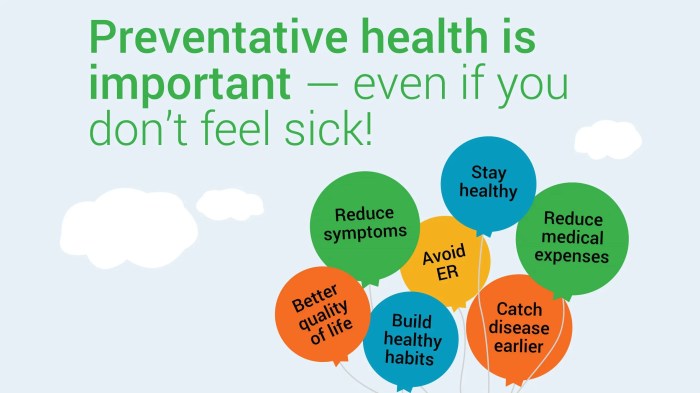
Kicking off with Primary preventive care, this opening paragraph is designed to captivate and engage the readers, setting the tone for a comprehensive discussion on the importance of preventative healthcare. Primary preventive care plays a crucial role in maintaining overall health and well-being by focusing on proactive measures to prevent diseases and promote a healthy lifestyle. Let’s delve into the key aspects of this essential healthcare approach.
Definition of Primary Preventive Care
Primary preventive care refers to healthcare services and interventions aimed at preventing diseases, illnesses, and injuries before they occur. This type of care focuses on promoting health and well-being through various strategies and activities.
Examples of Primary Preventive Care Services
- Immunizations and vaccinations to prevent infectious diseases.
- Regular screenings for conditions such as high blood pressure, cholesterol, and cancer.
- Patient education on healthy lifestyle choices, including diet and exercise.
- Family planning and reproductive health services.
- Counseling and interventions to reduce tobacco and alcohol use.
The Importance of Primary Preventive Care in Healthcare
Primary preventive care plays a crucial role in maintaining the overall health of individuals and populations. By focusing on prevention rather than treatment, primary care providers can help reduce the burden of illness and improve quality of life. Additionally, primary preventive care can lead to cost savings by preventing the need for more expensive medical interventions down the line.
Components of Primary Preventive Care
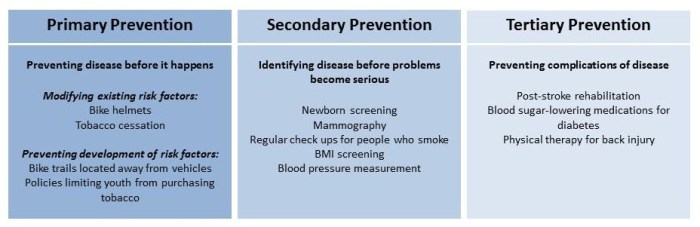
Primary preventive care encompasses various key components aimed at promoting health and preventing diseases before they occur. These components include screenings, vaccinations, and lifestyle modifications.
Screenings and Vaccinations
Screenings involve tests or exams to detect potential health problems early on, allowing for timely intervention and treatment. They are essential in identifying risk factors and preventing the progression of diseases. Vaccinations, on the other hand, help boost the body’s immune response against specific infections, reducing the likelihood of contracting certain diseases.
- Screenings such as mammograms, Pap smears, blood pressure measurements, and cholesterol tests can help detect conditions like cancer, hypertension, and heart disease.
- Vaccinations like flu shots, tetanus vaccines, and HPV vaccines are crucial in preventing infectious diseases and protecting individuals from serious illnesses.
Lifestyle Modifications
Lifestyle modifications play a significant role in primary preventive care by addressing risk factors associated with chronic conditions. These modifications focus on promoting healthy behaviors and reducing harmful habits to improve overall well-being.
- Healthy diet choices, regular exercise, and weight management can help prevent obesity, diabetes, and cardiovascular diseases.
- Avoiding tobacco use, limiting alcohol consumption, and managing stress are important lifestyle changes that can lower the risk of developing various health issues.
Role of Prescription Drugs in Preventive Medicine
Prescription drugs play a crucial role in preventive medicine by helping individuals manage and reduce their risk of developing certain diseases or conditions. These medications are specifically designed to prevent the onset or progression of illnesses, ultimately promoting better health outcomes.
Examples of Prescription Drugs in Preventive Medicine
- Statins: These medications are commonly prescribed to lower cholesterol levels and reduce the risk of heart disease and stroke.
- Aspirin: Used to prevent heart attacks and strokes by reducing blood clot formation.
- Antihypertensives: Drugs to lower blood pressure and prevent complications such as heart disease and stroke.
Benefits and Limitations of Using Prescription Drugs for Prevention
Prescription drugs in preventive medicine offer numerous benefits, such as:
- Effective management of risk factors for various diseases.
- Improvement in overall health outcomes and quality of life.
- Reduced healthcare costs associated with treating advanced stages of diseases.
However, there are limitations to consider when using prescription drugs for prevention:
- Potential side effects and adverse reactions that may impact an individual’s health.
- Dependency on medications for long-term prevention, leading to concerns about sustainability.
- Cost factors, as some preventive drugs may be expensive and not accessible to everyone.
Primary Care Providers in Public Health
Primary care providers play a crucial role in promoting public health by providing essential healthcare services to individuals within communities. They serve as the first point of contact for patients seeking medical assistance, offering preventive care, health education, and early intervention to address health issues before they escalate.
Role of Primary Care Providers in Public Health
- Primary care providers conduct regular health screenings and assessments to detect potential health problems early on, allowing for timely intervention and treatment.
- They educate patients on healthy lifestyle choices, disease prevention, and the importance of regular medical check-ups to maintain overall well-being.
- Primary care providers collaborate with other healthcare professionals and community organizations to address public health concerns and implement preventive measures on a broader scale.
Impact of Primary Care on Public Health Outcomes
- Access to primary care services has been linked to improved health outcomes, reduced healthcare costs, and lower rates of chronic diseases within populations.
- Primary care providers help reduce healthcare disparities by offering equitable healthcare services to individuals regardless of their socio-economic background or geographic location.
- By focusing on preventive care and early intervention, primary care contributes to the overall health and well-being of communities, leading to a healthier population.
Challenges Faced by Primary Care Providers in Addressing Public Health Issues
- Primary care providers often face constraints in terms of time and resources, limiting their ability to provide comprehensive preventive care to all patients.
- There may be a lack of awareness or understanding among the public regarding the importance of primary care and preventive health measures, leading to underutilization of these services.
- Addressing public health issues requires collaboration with various stakeholders, including government agencies, community organizations, and healthcare institutions, which can present challenges in coordination and implementation.
In conclusion, Primary preventive care serves as a cornerstone in healthcare by emphasizing the significance of early intervention and proactive health measures. By incorporating screenings, vaccinations, lifestyle modifications, and prescription drugs when necessary, individuals can take control of their health and well-being. Primary care providers play a vital role in promoting public health and addressing challenges in healthcare delivery. Embracing Primary preventive care is a proactive step towards a healthier future for all.
Answers to Common Questions
How often should I undergo screening tests for primary preventive care?
It is recommended to follow your healthcare provider’s guidelines for screening tests based on your age, gender, and individual health risk factors.
Can lifestyle modifications alone be sufficient for primary preventive care?
While lifestyle modifications play a significant role, they are usually combined with other preventive measures such as screenings and vaccinations for comprehensive care.
Are there any specific prescription drugs commonly used for preventive purposes?
Yes, certain medications like statins for cholesterol management and aspirin for heart health are commonly used for preventive purposes.


