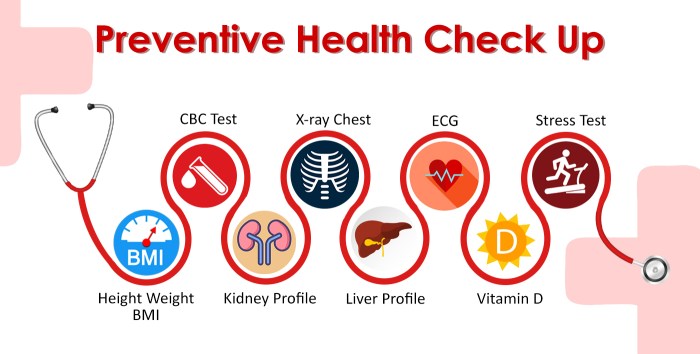
Preventive healthcare sets the stage for this enthralling narrative, offering readers a glimpse into a story that is rich in detail with casual formal language style and brimming with originality from the outset.
As we delve deeper into the realm of preventive healthcare, we uncover its significance in proactively safeguarding well-being and the pivotal role it plays in enhancing overall health outcomes.
Overview of Preventive Healthcare
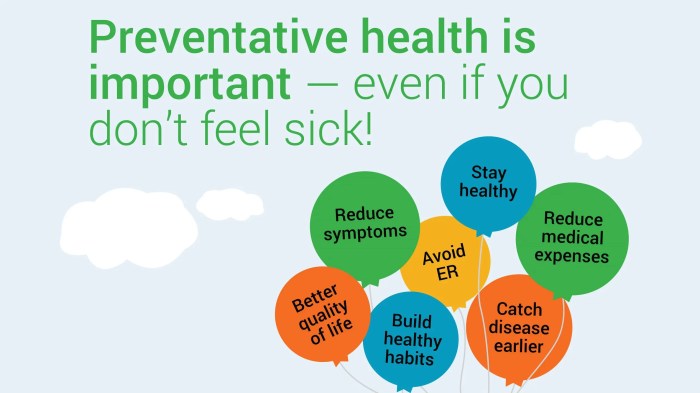
Preventive healthcare involves practices and measures aimed at preventing diseases or health conditions before they occur. This proactive approach focuses on promoting health and well-being through regular check-ups, screenings, vaccinations, and lifestyle modifications.
The importance of preventive healthcare cannot be understated as it plays a crucial role in maintaining overall health and reducing the burden of chronic diseases. By identifying risk factors early on and taking preventive actions, individuals can significantly lower their chances of developing serious health issues later in life.
Difference between Preventive Healthcare and Reactive Healthcare
Preventive healthcare differs from reactive healthcare in its approach towards addressing health concerns. While reactive healthcare involves treating illnesses or conditions after they have already manifested, preventive healthcare focuses on preventing these issues from occurring in the first place.
- Preventive healthcare emphasizes regular health screenings and check-ups to detect potential health problems early.
- Reactive healthcare, on the other hand, typically involves seeking medical attention only when symptoms are present.
- Preventive healthcare promotes a proactive and preventive mindset towards health, encouraging individuals to take control of their well-being.
Benefits of Preventive Medicine
Preventive medicine offers numerous advantages that contribute to overall well-being and quality of life. By taking proactive steps to prevent illnesses and diseases, individuals can experience the following benefits:
Improved Health Outcomes
- Regular health screenings and check-ups can help detect potential health issues early, allowing for prompt treatment and better outcomes.
- Adopting a healthy lifestyle, including regular exercise and a balanced diet, can reduce the risk of chronic conditions such as heart disease, diabetes, and obesity.
Cost Savings
- Preventive measures are often more cost-effective than treating advanced diseases. By investing in preventive healthcare, individuals can avoid costly medical interventions and hospitalizations.
- Vaccinations and screenings can prevent the spread of infectious diseases, reducing healthcare expenses associated with outbreaks and epidemics.
Enhanced Quality of Life
- By prioritizing preventive care, individuals can enjoy a higher quality of life, with increased energy levels, improved mental health, and reduced overall stress.
- Engaging in preventive health practices can lead to greater longevity and a more active lifestyle in the long term.
Role of Primary Care in Preventive Healthcare
Primary care physicians play a crucial role in promoting preventive healthcare by focusing on early detection and intervention to prevent the onset of diseases. They act as the first point of contact for patients and provide comprehensive care to address their overall health needs.
Primary Care Providers Promoting Healthy Lifestyle Behaviors
Primary care providers can help patients adopt healthy lifestyle behaviors by offering guidance on nutrition, exercise, stress management, and smoking cessation. They work with patients to set realistic health goals and provide support in making sustainable lifestyle changes.
- Educating patients on the importance of a balanced diet and regular physical activity.
- Offering resources and referrals to support mental health and emotional well-being.
- Encouraging patients to quit smoking and providing resources for smoking cessation programs.
Significance of Regular Check-ups and Screenings
Regular check-ups and screenings in primary care are essential for early disease detection, which can lead to better treatment outcomes and improved prognosis. These preventive measures help identify health issues in their early stages when they are more manageable.
- Monitoring blood pressure, cholesterol levels, and blood sugar to detect cardiovascular diseases and diabetes early.
- Performing cancer screenings such as mammograms and colonoscopies to detect cancer at an early, more treatable stage.
- Conducting routine vaccinations to prevent infectious diseases and protect public health.
Importance of Public Health in Preventive Healthcare
Public health plays a crucial role in preventive healthcare by implementing initiatives that aim to promote health and prevent diseases on a larger scale. These efforts have a significant impact on improving overall community well-being and reducing the burden on healthcare systems.
Impact of Public Health Initiatives
Public health initiatives such as vaccination campaigns, health education programs, and community outreach efforts have been instrumental in raising awareness about preventive measures. For example, vaccination programs have successfully reduced the incidence of various infectious diseases like polio and measles, leading to better public health outcomes.
Public Health Policies and Programs
Public health policies and programs focus on addressing social determinants of health, promoting healthy behaviors, and creating supportive environments for individuals to make healthier choices. For instance, smoking bans in public spaces and the implementation of sugar taxes are policies that aim to reduce the prevalence of smoking and obesity, ultimately preventing related health issues.
Successful Public Health Campaigns
One notable example of a successful public health campaign is the “5 A Day” initiative, which encourages people to consume at least five servings of fruits and vegetables daily. This campaign has been effective in promoting a healthy diet and reducing the risk of chronic diseases such as heart disease and diabetes. Additionally, campaigns like the “Truth” anti-smoking campaign have helped decrease smoking rates among teenagers through targeted messaging and education.
In conclusion, the discussion on preventive healthcare underscores the paramount importance of taking proactive measures to prevent diseases, highlighting the transformative impact it can have on individual and public health.
Top FAQs
What are some common preventive measures individuals can take?
Individuals can engage in regular exercise, maintain a balanced diet, get sufficient sleep, and avoid harmful substances like tobacco and excessive alcohol.
How does preventive healthcare differ from reactive healthcare?
Preventive healthcare focuses on disease prevention through proactive measures, while reactive healthcare involves treating diseases after they have already occurred.
Why are regular check-ups important in preventive healthcare?
Regular check-ups help in early detection of potential health issues, allowing for timely intervention and prevention of serious conditions.