Embark on a journey through the realm of Preventive medicine programs, where proactive healthcare measures take center stage. From screenings to data analytics, explore the pivotal role these programs play in shaping a healthier future.
Introduction to Preventive Medicine Programs
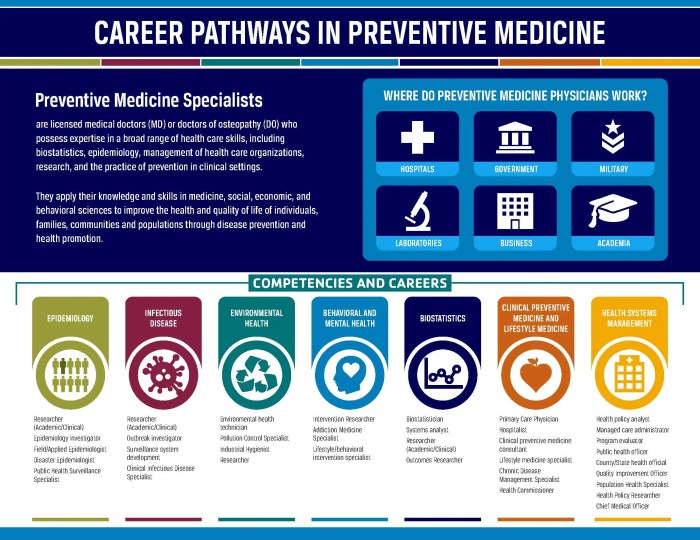
Preventive medicine programs play a crucial role in healthcare by focusing on preventing diseases and promoting overall health and wellness. These programs are designed to identify and mitigate risk factors before they lead to serious health issues, ultimately reducing the burden on the healthcare system.
Goals and Objectives of Preventive Medicine Programs
- Identify individuals at risk for certain diseases through screenings and assessments.
- Educate the population on healthy lifestyle choices and behaviors to prevent illness.
- Implement interventions and strategies to reduce the incidence of diseases.
- Monitor and evaluate the effectiveness of preventive measures over time.
Preventive medicine programs aim to:
Differences from Other Healthcare Initiatives
- Focus on proactive measures to prevent diseases rather than reactive treatment of symptoms.
- Emphasize population-based strategies to improve public health outcomes.
- Prioritize early detection and intervention to address health risks before they escalate.
- Promote a holistic approach to health that considers social, environmental, and behavioral factors.
Preventive medicine programs differ from other healthcare initiatives in the following ways:
Components of Preventive Medicine Programs
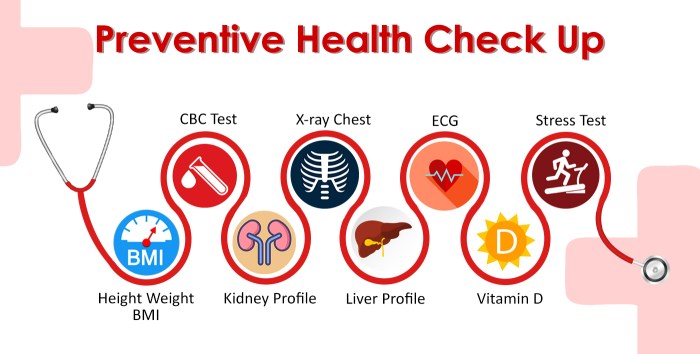
Preventive medicine programs encompass a range of strategies aimed at promoting health and preventing disease before it occurs. Key components of these programs include screenings, vaccinations, and lifestyle counseling.
Screenings
Screenings are essential in preventive medicine programs as they help detect health conditions early, allowing for timely intervention and treatment. Common screenings include blood pressure checks, cholesterol tests, mammograms, and colonoscopies.
Vaccinations
Vaccinations play a crucial role in preventing infectious diseases and promoting overall public health. By administering vaccines, primary care physicians can protect individuals from illnesses such as influenza, measles, and HPV.
Lifestyle Counseling
Lifestyle counseling involves educating patients on healthy behaviors and habits that can reduce their risk of developing chronic diseases. This may include guidance on nutrition, exercise, stress management, and smoking cessation.
Role of Primary Care Physicians
Primary care physicians play a pivotal role in implementing preventive medicine programs. They are responsible for conducting screenings, administering vaccinations, and providing personalized lifestyle counseling to their patients. By building strong doctor-patient relationships, primary care physicians can effectively promote preventive care and encourage healthy behaviors.
Integration of Technology and Data Analytics
The integration of technology and data analytics has revolutionized preventive medicine programs by allowing for more targeted and efficient interventions. Electronic health records, telemedicine platforms, and wearable devices enable healthcare providers to track patient data, monitor health trends, and deliver personalized care plans. By leveraging technology and data analytics, preventive medicine programs can optimize resource allocation, improve patient outcomes, and enhance overall healthcare delivery.
Benefits of Preventive Medicine Programs
Preventive medicine programs play a crucial role in reducing healthcare costs and improving patient outcomes. By focusing on prevention rather than treatment, these programs help in addressing health issues at an early stage, leading to significant benefits for both individuals and the healthcare system.
Impact on reducing healthcare costs
Preventive medicine programs have been shown to reduce healthcare costs significantly by preventing the onset of chronic diseases and complications. By promoting healthy behaviors, regular screenings, and vaccinations, these programs help in identifying health risks early on, allowing for timely interventions that are more cost-effective than treating advanced stages of diseases.
Contribution to improved patient outcomes
Preventive medicine programs contribute to improved patient outcomes by promoting early detection and intervention, leading to better management of health conditions. Patients who actively participate in preventive programs are more likely to experience better health outcomes, reduced hospitalizations, and improved quality of life.
Examples of successful preventive medicine programs and outcomes
One successful example of a preventive medicine program is the National Diabetes Prevention Program (NDPP), which focuses on lifestyle modifications to prevent or delay the onset of type 2 diabetes. Studies have shown that participants in the NDPP have significantly reduced their risk of developing diabetes and have achieved sustainable weight loss.Another example is the HPV vaccination program, which aims to prevent cervical cancer and other HPV-related diseases.
By increasing vaccination rates, this program has led to a significant decrease in the prevalence of HPV infections and related health complications.Overall, preventive medicine programs have a positive impact on both individuals and the healthcare system, emphasizing the importance of proactive health management and disease prevention.
Prescription Drugs in Preventive Medicine
Prescription drugs play a crucial role in preventive medicine programs by helping to manage risk factors, prevent diseases, and promote overall health and well-being.
Utilization of Prescription Drugs in Preventive Medicine
- Lower blood pressure and cholesterol levels to reduce the risk of heart disease and stroke.
- Manage blood sugar levels in individuals at risk of diabetes.
- Administer vaccines to prevent infectious diseases.
- Prescribe medications to help with smoking cessation and substance abuse prevention.
Prescription drugs are commonly used in preventive medicine to:
Challenges in Prescribing Drugs for Preventive Purposes
- Side effects: Some drugs may have adverse effects that can impact an individual’s quality of life.
- Cost: Prescription medications can be expensive, making access a barrier for some individuals.
- Compliance: Ensuring patients adhere to their medication regimen can be challenging, affecting the effectiveness of preventive interventions.
- Risk-benefit assessment: Healthcare providers must carefully weigh the potential benefits of drug therapy against the risks for each individual.
While prescription drugs are effective in preventive medicine, there are challenges and considerations to be aware of:
Primary Care and Preventive Medicine
Primary care and preventive medicine are closely interconnected in promoting overall health and well-being. Primary care providers play a crucial role in implementing preventive medicine practices and strategies to ensure the early detection and prevention of diseases.
Relationship between Primary Care and Preventive Medicine
Primary care providers serve as the first point of contact for patients seeking healthcare services. They are responsible for conducting regular check-ups, screenings, and assessments to identify potential health risks and provide appropriate interventions. By fostering a strong patient-provider relationship, primary care physicians can encourage individuals to prioritize preventive measures and adopt healthy lifestyle habits.
- Primary care providers emphasize the importance of preventive screenings such as blood pressure checks, cholesterol tests, and cancer screenings to detect any underlying health issues early on.
- They educate patients about the importance of vaccinations, healthy eating, regular exercise, and stress management to prevent the onset of chronic diseases.
- Primary care physicians collaborate with other healthcare professionals to develop personalized preventive care plans tailored to each patient’s unique health needs and risk factors.
Importance of Continuity of Care in Preventive Medicine Programs
Continuity of care plays a vital role in the effectiveness of preventive medicine programs. When patients receive consistent care from the same primary care provider over time, it enhances communication, trust, and accountability in managing their health.
- Patients who have a continuous relationship with their primary care physician are more likely to adhere to preventive screenings and follow-up appointments, leading to early detection and intervention.
- Primary care providers can track changes in patients’ health status, monitor progress, and adjust preventive strategies accordingly to optimize health outcomes.
- Continuity of care fosters a comprehensive approach to preventive medicine, allowing primary care physicians to address multiple aspects of a patient’s health and well-being in a coordinated manner.
Public Health Initiatives and Preventive Medicine
Public health initiatives play a crucial role in supporting preventive medicine programs by focusing on population-based strategies to improve health outcomes and prevent diseases. These initiatives are aimed at promoting healthy behaviors, implementing interventions, and creating policies that address public health concerns.
Role of Public Health Initiatives in Supporting Preventive Medicine Programs
Public health initiatives provide the framework for preventive medicine programs by identifying risk factors, conducting research, and implementing interventions that target specific health issues. These initiatives often involve community engagement, health education, and policy development to create environments that support healthy behaviors and reduce the burden of disease.
- Public health initiatives focus on prevention: By emphasizing disease prevention and health promotion, public health initiatives complement preventive medicine programs in addressing the root causes of health issues.
- Collaboration with healthcare providers: Public health agencies collaborate with healthcare providers to implement preventive care services, such as screenings, vaccinations, and lifestyle interventions, to improve population health outcomes.
- Evidence-based interventions: Public health initiatives use evidence-based practices to develop and implement interventions that have been proven effective in preventing diseases and promoting health.
Influence of Public Health Policies on Preventive Medicine Strategies
Public health policies play a significant role in shaping preventive medicine strategies by setting guidelines, regulations, and standards that promote health and prevent diseases. These policies can influence healthcare practices, resource allocation, and community engagement to support preventive care efforts.
- Legislation and regulations: Public health policies establish laws and regulations that govern healthcare practices, environmental standards, and public health interventions to protect and promote population health.
- Funding and resource allocation: Public health policies allocate resources and funding to support preventive medicine programs, research initiatives, and community-based interventions that aim to prevent diseases and improve health outcomes.
- Health equity and social determinants: Public health policies address health inequities and social determinants of health by implementing strategies that reduce disparities, promote access to care, and create environments that support healthy lifestyles.
Collaboration Between Public Health Agencies and Healthcare Providers for Preventive Care
Collaboration between public health agencies and healthcare providers is essential for delivering comprehensive preventive care services and addressing public health challenges. This partnership allows for the integration of population-based approaches with clinical care to improve health outcomes and reduce the burden of disease.
- Data sharing and surveillance: Public health agencies and healthcare providers collaborate on data sharing, surveillance systems, and information exchange to monitor health trends, identify emerging issues, and implement targeted interventions.
- Health promotion and education: Public health agencies work with healthcare providers to promote health education, raise awareness about preventive measures, and empower individuals to make informed decisions about their health.
- Policy development and advocacy: Public health agencies and healthcare providers advocate for policies that support preventive care, promote public health initiatives, and address social determinants of health to create healthier communities.
As we conclude our exploration of Preventive medicine programs, it’s evident that their impact extends far beyond cost reduction. By prioritizing prevention and collaboration, these programs pave the way for improved patient outcomes and a more resilient healthcare system.
Questions and Answers
How do preventive medicine programs differ from other healthcare initiatives?
Preventive medicine programs focus on proactive measures to prevent diseases rather than just treating them after they occur.
What are some examples of successful preventive medicine programs?
Programs like vaccination drives, cancer screenings, and lifestyle counseling have shown significant success in preventing diseases.
How do public health initiatives support preventive medicine programs?
Public health initiatives provide a framework for preventive measures, influencing policies and strategies to promote better health outcomes.


