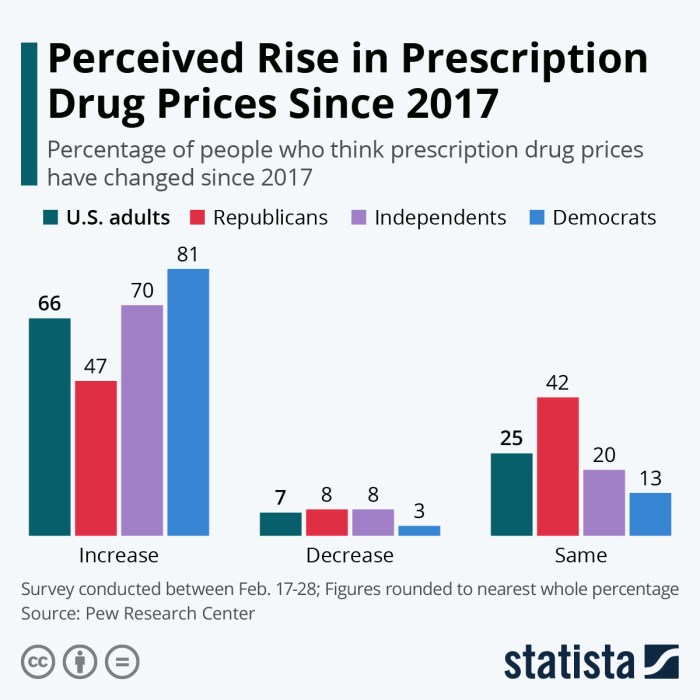
Prescription drug prices set the stage for this enthralling narrative, offering readers a glimpse into a story that is rich in detail and brimming with originality. From current trends to the impact on patients and society, this topic delves deep into the complexities of prescription drug pricing.
As we explore the factors contributing to rising costs and the importance of prescription drugs in healthcare, a comprehensive understanding of this crucial issue emerges.
Prescription Drug Prices
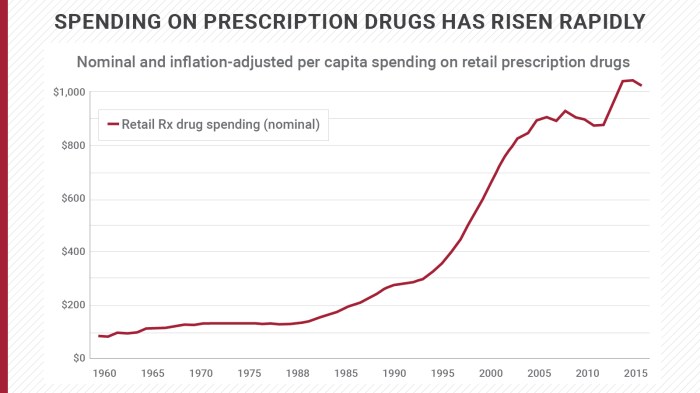
Prescription drug prices have been an ongoing concern as they continue to rise, impacting patients, healthcare systems, and society as a whole. The increasing costs of prescription drugs have become a significant burden for many individuals and organizations.
Factors Contributing to Rising Prescription Drug Prices
- Research and Development Costs: Pharmaceutical companies invest heavily in research and development of new drugs, which can drive up prices to recoup these expenses.
- Patient Assistance Programs: While these programs aim to help patients afford medications, they can inadvertently contribute to higher list prices.
- Market Dynamics: Limited competition and monopolies in the pharmaceutical industry can lead to inflated drug prices.
- Regulatory Hurdles: The complex regulatory environment can increase the time and cost of bringing drugs to market, influencing pricing.
Impact of High Prescription Drug Prices
- Financial Strain on Patients: High drug prices can force individuals to forgo necessary medications or struggle with financial hardships to afford them.
- Healthcare System Challenges: Rising drug costs can strain healthcare budgets, leading to higher insurance premiums and out-of-pocket expenses for patients.
- Reduced Access to Care: Some patients may face barriers to accessing essential medications due to high prices, impacting their health outcomes.
- Economic Impact: The economic burden of high drug prices can ripple through society, affecting productivity and overall well-being.
Prescription Drugs
Prescription drugs play a crucial role in managing various health conditions, providing essential treatment and relief to patients.
Pricing Strategies: Brand-name vs. Generic
Brand-name prescription drugs often come with higher price tags due to research, development, and marketing costs. On the other hand, generic alternatives are more affordable as they do not require the same level of investment.
Role of Prescription Drug Coverage
Prescription drug coverage is vital in ensuring access to necessary medications for individuals. It helps reduce out-of-pocket costs, making treatments more affordable and accessible for those in need.
Preventive Medicine
Preventive medicine focuses on promoting health and preventing diseases before they occur. It involves various strategies such as vaccinations, screenings, lifestyle modifications, and taking medications to reduce the risk of developing certain conditions.
Role of Prescription Drugs in Preventive Medicine
Prescription drugs play a crucial role in preventive medicine by helping individuals manage chronic conditions and lower their risk of developing complications. These medications can help control blood pressure, cholesterol levels, and blood sugar, reducing the likelihood of heart disease, stroke, and diabetes.
- Statins: These medications are commonly prescribed to lower cholesterol levels and reduce the risk of heart disease.
- ACE Inhibitors: ACE Inhibitors help control blood pressure and prevent complications related to hypertension.
- Aspirin: Aspirin is often recommended for individuals at risk of heart attacks or strokes to prevent blood clot formation.
- Metformin: Metformin is a medication used to manage blood sugar levels in individuals at risk of developing type 2 diabetes.
Primary Care
Primary care physicians play a crucial role in prescribing medications to patients, often serving as the first point of contact for individuals seeking medical advice and treatment.
Challenges Faced by Primary Care Providers
Primary care providers face numerous challenges when it comes to addressing high prescription drug prices. Some of these challenges include:
- Limited time for patient consultations, which may impact the thoroughness of medication discussions
- Navigating complex insurance coverage and formulary restrictions
- Lack of transparency in drug pricing, making it difficult to find cost-effective options
- Balancing patient needs with financial constraints
Strategies for Optimizing Primary Care
To ensure cost-effective prescription drug use, primary care providers can consider implementing the following strategies:
- Engage in open communication with patients about medication costs and potential alternatives
- Stay informed about formulary changes and insurance coverage to help patients navigate options
- Consider generic or lower-cost alternatives when appropriate
- Collaborate with pharmacists and specialists to optimize medication regimens
Public Health
Prescription drug prices have a significant impact on public health outcomes, influencing access to essential medications and healthcare services. The disparities in access to prescription medications among different socioeconomic groups further exacerbate existing health inequalities, leading to adverse health outcomes for marginalized populations. Addressing the public health implications of high prescription drug prices requires effective policy interventions to ensure equitable access to medications and promote better health outcomes for all individuals.
Impact of Prescription Drug Prices on Public Health
Prescription drug prices play a crucial role in determining access to necessary medications for individuals with chronic conditions and acute illnesses. High drug prices can result in medication non-adherence, where patients are unable to afford their prescribed treatments, leading to worsened health outcomes and increased healthcare costs. This lack of access to essential medications can disproportionately affect vulnerable populations, including low-income individuals and communities of color, contributing to health disparities and inequities in healthcare access.
- High prescription drug prices can lead to medication non-adherence, resulting in poor health outcomes and increased hospitalizations.
- Individuals from low-income backgrounds may struggle to afford necessary medications, leading to untreated health conditions and preventable complications.
- The lack of access to prescription drugs can exacerbate existing health disparities among different socioeconomic groups, contributing to inequities in healthcare outcomes.
Policy Interventions to Address Prescription Drug Prices and Public Health
Efforts to address the public health implications of high prescription drug prices require comprehensive policy interventions that promote affordability, accessibility, and equity in healthcare. Policymakers can implement strategies such as price regulation, expanding insurance coverage, and promoting generic drug availability to improve medication access and mitigate the impact of high drug prices on public health.
- Implementing price regulation mechanisms to control prescription drug costs and ensure affordability for patients.
- Expanding insurance coverage and enhancing prescription drug benefits to increase access to medications for individuals in need.
- Promoting the use of generic drugs as cost-effective alternatives to brand-name medications, reducing financial barriers to essential treatments.
In conclusion, the discussion on prescription drug prices uncovers a web of challenges and opportunities in the healthcare landscape. From disparities in access to potential policy interventions, the impact of high prices reverberates across various facets of society.
Key Questions Answered
How do generic drugs compare to brand-name prescription drugs in terms of pricing?
Generic drugs are typically more affordable than brand-name drugs due to lower production costs and increased competition.
What role do prescription drugs play in preventive medicine?
Prescription drugs are crucial in preventing and managing various health conditions, helping individuals maintain overall well-being.
How do high prescription drug prices affect public health outcomes?
High prescription drug prices can lead to disparities in access to medications, impacting public health outcomes negatively.