
In the realm of healthcare for seniors, primary care plays a crucial role in addressing their specific needs and promoting overall well-being. This comprehensive guide delves into the key aspects of primary care for seniors, shedding light on the importance of personalized care and disease management tailored to the elderly population.
Introduction to Primary Care for Seniors
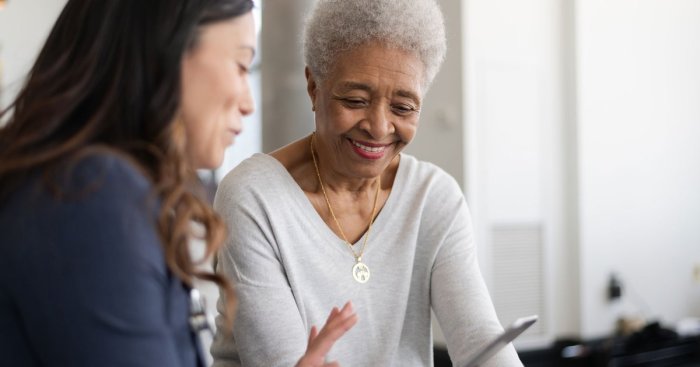
Primary care plays a crucial role in the overall well-being of seniors as they age. It focuses on preventive care, managing chronic conditions, and coordinating specialized care when needed. Seniors often have unique healthcare needs that require a personalized and comprehensive approach.
Specific Healthcare Needs of Seniors
Seniors commonly face age-related health issues such as arthritis, dementia, osteoporosis, and cardiovascular diseases. Primary care addresses these needs by providing regular check-ups, medication management, and lifestyle recommendations to promote healthy aging.
Role of Primary Care Physicians
- Primary care physicians play a vital role in addressing the physical, mental, and emotional well-being of seniors.
- They develop personalized care plans that consider the individual needs and preferences of each senior patient.
- Primary care physicians also educate seniors and their families on health maintenance, disease prevention, and treatment options.
Primary care physicians serve as the main point of contact for seniors in managing their health. They conduct routine screenings, monitor chronic conditions, and collaborate with specialists to ensure comprehensive care. Additionally, they focus on preventive measures to reduce the risk of complications and hospitalizations.
Comprehensive Geriatric Assessment
A comprehensive geriatric assessment is a thorough evaluation that primary care providers conduct to assess the health and functional status of seniors. This assessment helps in identifying medical conditions, cognitive impairments, functional limitations, and social support needs in older adults.
Components of a Comprehensive Geriatric Assessment
- Medical History: Reviewing past and current medical conditions, medications, and surgeries.
- Physical Examination: Assessing vital signs, mobility, balance, and sensory functions.
- Cognitive Assessment: Screening for memory loss, confusion, or other cognitive impairments.
- Functional Status Evaluation: Evaluating activities of daily living (ADLs) and instrumental activities of daily living (IADLs).
- Nutritional Assessment: Checking nutritional status, dietary habits, and risk of malnutrition.
- Social Support and Environment: Assessing living conditions, caregiver support, and social interactions.
Tailoring Care Plans for Seniors
Based on the findings of the comprehensive geriatric assessment, primary care providers can tailor care plans that address the specific needs and challenges faced by seniors. This personalized approach helps in optimizing the quality of care and improving the overall well-being of older adults.
Importance of Regular Assessments in Primary Care for Seniors
Regular assessments in primary care for seniors are essential to monitor changes in health status, detect early signs of decline, and prevent complications. By conducting periodic assessments, primary care providers can intervene promptly, adjust treatment plans, and coordinate multidisciplinary care to ensure the best outcomes for older patients.
Management of Chronic Conditions
Chronic conditions pose unique challenges when it comes to managing the health of the elderly population. These conditions often require ongoing care, monitoring, and treatment to ensure the best quality of life for seniors.
Common Chronic Conditions in Seniors
- Hypertension: High blood pressure is a prevalent chronic condition among seniors that can lead to serious complications like heart disease and stroke. Primary care physicians play a crucial role in monitoring blood pressure levels, adjusting medications, and providing lifestyle recommendations to manage hypertension effectively.
- Diabetes: Seniors are at a higher risk of developing type 2 diabetes, requiring careful management of blood sugar levels through medication, diet, and exercise. Primary care physicians help seniors navigate their diabetes care plan, including regular screenings and education on self-management.
- Arthritis: Osteoarthritis and rheumatoid arthritis are common chronic conditions that cause joint pain and stiffness in seniors. Primary care physicians can provide treatment options, referrals to specialists, and guidance on managing symptoms to improve mobility and quality of life.
Primary Care Physicians’ Role in Coordinating Care
Primary care physicians act as the central point of contact for seniors with multiple chronic illnesses, coordinating their care across different healthcare providers and specialists. They ensure that treatment plans are cohesive, medications are not conflicting, and preventive measures are in place to address the holistic health needs of seniors. This coordinated approach helps improve patient outcomes and overall quality of life for seniors with complex health conditions.
Preventive Medicine for Seniors
Preventive medicine plays a crucial role in primary care for seniors as it focuses on preventing diseases, disabilities, and injuries before they occur, ultimately improving quality of life and reducing healthcare costs.
Recommended Preventive Screenings and Vaccinations
- Regular screenings for blood pressure, cholesterol, and diabetes are essential to detect and manage these conditions early.
- Colorectal cancer screenings, mammograms, and bone density tests are recommended to catch any abnormalities in their early stages.
- Annual flu shots, pneumonia vaccines, and shingles vaccines are important to protect seniors from potentially serious infections.
Promoting Healthy Aging through Preventive Measures
- Primary care providers educate seniors on healthy lifestyle choices, such as maintaining a balanced diet, staying active, and avoiding tobacco and excessive alcohol consumption.
- Encouraging regular exercise, social interactions, and mental stimulation can help prevent cognitive decline and improve overall well-being.
- Regular health assessments and screenings help primary care providers identify risk factors early and tailor preventive measures to each senior’s individual needs.
Medication Management and Prescription Drugs
Medication management is crucial for seniors in primary care to ensure they receive the appropriate medications in the right doses, at the right time, and with minimal side effects. This is especially important as seniors often take multiple medications for various chronic conditions, increasing the risk of adverse drug reactions and interactions.Primary care physicians play a key role in optimizing prescription drug use in the elderly by conducting thorough medication reviews, monitoring for potential drug interactions, and coordinating care with specialists to streamline medication regimens.
They also educate seniors and their caregivers about the importance of adherence to medication schedules and the potential risks of non-compliance.
Optimizing Prescription Drug Use
- Primary care physicians conduct comprehensive medication reviews to ensure that seniors are taking the most appropriate medications for their conditions.
- Physicians may adjust doses, switch medications, or eliminate unnecessary drugs to minimize side effects and interactions.
- Regular monitoring of medication effectiveness and potential side effects is essential to optimize prescription drug use in seniors.
Preventing Adverse Drug Reactions and Interactions
- Primary care physicians educate seniors about the importance of following medication instructions carefully and reporting any unusual symptoms promptly.
- Physicians carefully consider potential drug interactions when prescribing new medications or adjusting dosages for seniors with multiple chronic conditions.
- Regular communication between primary care physicians and specialists helps prevent duplicate prescriptions and reduces the risk of adverse drug reactions.
Public Health Initiatives for Seniors
Public health initiatives for seniors play a crucial role in ensuring the well-being and quality of life of this population. These programs are designed to address the unique healthcare needs of seniors and promote healthy aging through various interventions.
Community Outreach Programs
Community outreach programs are an essential component of public health initiatives for seniors. These programs aim to reach out to seniors in the community, provide education on preventive health measures, and offer resources for managing chronic conditions. By engaging with seniors directly in their communities, outreach programs can effectively promote healthy behaviors and improve health outcomes.
- Organizing health fairs and workshops to educate seniors on topics such as nutrition, exercise, and medication management.
- Collaborating with local senior centers and organizations to provide access to healthcare services and resources.
- Offering screenings for conditions like hypertension, diabetes, and osteoporosis to detect and manage health issues early.
Role of Primary Care in Promoting Public Health
Primary care providers play a crucial role in promoting public health initiatives for seniors. They serve as the first point of contact for seniors seeking healthcare services and are instrumental in delivering preventive care, managing chronic conditions, and coordinating care with other healthcare providers. By emphasizing preventive medicine and early intervention, primary care providers can help seniors maintain their health and well-being.
- Conducting regular wellness exams and screenings to assess seniors’ health status and identify potential risk factors.
- Developing personalized care plans that address seniors’ unique healthcare needs and goals.
- Collaborating with other healthcare professionals and community organizations to ensure comprehensive care for seniors.
Impact of Education on Senior Health Outcomes
Community outreach and education initiatives have a significant impact on senior health outcomes. By providing seniors with access to information, resources, and support, these programs empower them to take control of their health and make informed decisions about their care. Education can lead to improved health literacy, increased adherence to treatment plans, and better overall health outcomes for seniors.
- Increasing awareness about the importance of preventive care, vaccination, and healthy lifestyle choices among seniors.
- Empowering seniors to actively participate in their healthcare decisions and advocate for their needs.
- Reducing healthcare disparities and improving access to quality care for seniors in underserved communities.
As we wrap up our exploration of primary care for seniors, it’s evident that this specialized form of healthcare is essential for enhancing the quality of life for the elderly. By focusing on preventive measures, chronic disease management, and public health initiatives, primary care providers are instrumental in ensuring that seniors receive the care they deserve to lead healthy and fulfilling lives.
Q&A
What are some common chronic conditions in seniors?
Common chronic conditions in seniors include hypertension, diabetes, arthritis, and osteoporosis.
How do primary care physicians optimize prescription drug use in the elderly?
Primary care physicians optimize prescription drug use in the elderly by conducting regular medication reviews, adjusting dosages as needed, and monitoring for potential drug interactions.
What preventive screenings are recommended for seniors?
Preventive screenings recommended for seniors include mammograms, colonoscopies, bone density tests, and flu vaccinations.


