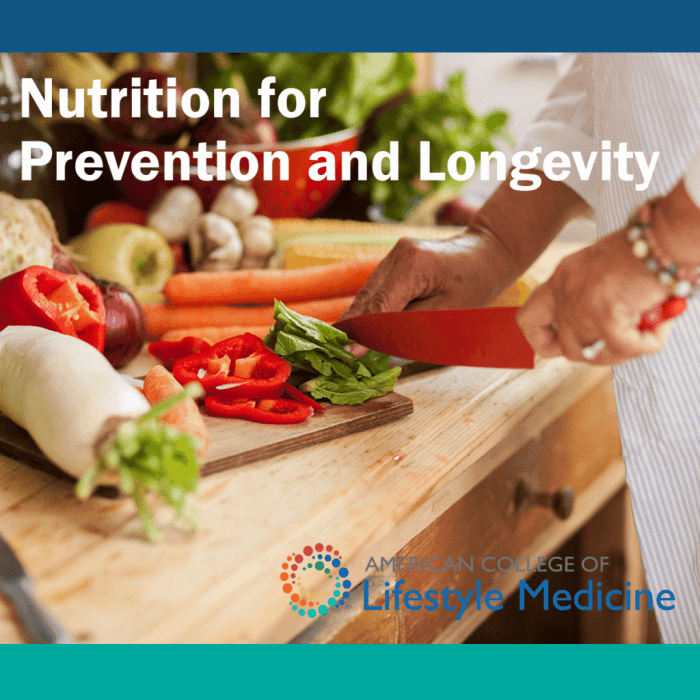
Exploring the realm of Preventive medicine nutrition, this introduction delves into its significance in healthcare, shedding light on how nutrition plays a pivotal role in disease prevention and overall well-being.
As we navigate through the benefits, guidelines, and integration of nutrition into preventive medicine practices, we uncover the intricate relationship between prescription drugs and preventive care, the crucial role of primary care physicians, and the impact of public health initiatives on preventive medicine nutrition.
Introduction to Preventive Medicine Nutrition
Preventive medicine nutrition focuses on the role of dietary choices in maintaining and improving health, with the goal of preventing diseases before they occur. It plays a crucial role in healthcare by emphasizing the importance of nutrition in disease prevention and overall well-being.
Nutrition has a significant impact on our health, influencing factors such as immunity, energy levels, and organ function. By consuming a balanced diet rich in essential nutrients, individuals can reduce the risk of developing chronic conditions like heart disease, diabetes, and obesity.
The Role of Nutrition in Preventing Diseases
- Nutrition provides the body with essential vitamins, minerals, and antioxidants that support the immune system and help fight off infections.
- A diet high in fruits, vegetables, whole grains, and lean proteins can lower the risk of developing conditions such as cancer, hypertension, and osteoporosis.
- Healthy eating habits can also help maintain a healthy weight, reducing the risk of obesity-related diseases.
How Preventive Medicine Nutrition Differs
- Preventive medicine nutrition focuses on proactive measures to maintain health, rather than just treating symptoms once a disease has already developed.
- It emphasizes the importance of a holistic approach to health, considering not only what we eat but also lifestyle factors such as physical activity and stress management.
- Unlike traditional healthcare approaches that primarily rely on medications and procedures, preventive medicine nutrition promotes natural, sustainable ways to prevent diseases and promote overall well-being.
Benefits of Preventive Medicine Nutrition
Incorporating nutrition into preventive medicine strategies offers numerous benefits that can significantly impact overall health and well-being. By focusing on nutrition as a preventive measure, individuals can reduce the risk of developing chronic diseases, enhance longevity, and improve their quality of life.
Reducing the Risk of Chronic Diseases
- Proper nutrition can help prevent conditions such as heart disease, diabetes, and certain types of cancer.
- A balanced diet rich in fruits, vegetables, whole grains, and lean proteins can support immune function and reduce inflammation in the body.
- Avoiding excessive intake of processed foods, sugar, and unhealthy fats can lower the risk of obesity and related health issues.
Impact on Longevity and Quality of Life
- Healthy eating habits can contribute to a longer lifespan by promoting overall wellness and reducing the likelihood of premature aging.
- Nutrient-dense foods provide essential vitamins and minerals that support bodily functions and help maintain optimal health.
- A well-balanced diet can improve energy levels, cognitive function, and emotional well-being, enhancing the overall quality of life.
Nutritional Guidelines for Preventive Medicine
Maintaining a well-balanced diet is crucial for preventive medicine as it provides the body with essential nutrients to support overall health and well-being.
Importance of a Balanced Diet
A balanced diet ensures that the body receives the necessary vitamins, minerals, proteins, carbohydrates, and fats needed for optimal functioning. It helps in boosting the immune system, reducing the risk of chronic diseases, and maintaining a healthy weight.
- Include a variety of fruits and vegetables in your daily meals to provide essential vitamins, minerals, and antioxidants that help protect the body from diseases.
- Opt for whole grains such as brown rice, quinoa, and whole wheat bread to increase fiber intake, which aids in digestion and helps in managing weight.
- Choose lean sources of protein like poultry, fish, tofu, and legumes to support muscle health and repair tissues in the body.
- Limit the intake of processed foods, sugary drinks, and high-fat snacks that are low in nutrients and can contribute to the development of chronic conditions like obesity, diabetes, and heart disease.
Examples of Food Choices
When planning your meals, consider incorporating the following options to align with preventive medicine goals:
- Salmon: Rich in omega-3 fatty acids, salmon is beneficial for heart health and reducing inflammation in the body.
- Spinach: Packed with iron, vitamins A, C, and K, spinach supports bone health, immune function, and overall vitality.
- Greek Yogurt: A great source of probiotics and protein, Greek yogurt helps in maintaining gut health and promoting a strong immune system.
- Blueberries: Known for their high antioxidant content, blueberries protect cells from damage and support brain health.
Integrating Nutrition into Preventive Medicine Practices
Nutrition plays a crucial role in preventive medicine by helping individuals maintain optimal health and reduce the risk of chronic diseases. Integrating nutrition counseling into primary care settings can significantly enhance the effectiveness of preventive medicine programs. By providing patients with personalized dietary recommendations and education, healthcare providers can empower them to make healthier food choices and improve their overall well-being.
Challenges and Opportunities of Incorporating Nutrition Education
- Challenges:
- Time constraints in primary care settings may limit the amount of nutrition education that can be provided to patients.
- Lack of training in nutrition for healthcare providers may hinder their ability to offer comprehensive dietary guidance.
- Resistance from patients who may be unwilling to make significant changes to their eating habits.
- Opportunities:
- Collaboration with registered dietitians or nutritionists can enhance the quality of nutrition counseling in primary care settings.
- Integration of technology, such as telehealth platforms and mobile apps, can facilitate remote nutrition education and monitoring.
- Evidence-based nutrition programs and resources can be utilized to support preventive medicine initiatives and improve patient outcomes.
Strategies for Promoting Healthy Eating Habits
- Offer individualized nutrition assessments and counseling sessions to address the unique dietary needs and preferences of each patient.
- Provide educational materials, such as handouts, brochures, and online resources, to supplement in-person nutrition consultations.
- Encourage patients to keep food journals and track their dietary intake to raise awareness of their eating patterns and identify areas for improvement.
- Organize group nutrition workshops or cooking classes to foster a sense of community and support among individuals striving to adopt healthier lifestyles.
Relationship Between Prescription Drugs and Preventive Medicine
Prescription drugs play a crucial role in preventive medicine by helping to manage chronic conditions and reduce the risk of developing serious health issues. These medications can complement preventive care strategies by targeting specific health concerns and providing necessary treatment to prevent further complications.
Role of Prescription Drugs in Preventive Medicine Approaches
Prescription drugs are often used to control conditions such as high blood pressure, diabetes, and high cholesterol, which are risk factors for more severe health problems. By effectively managing these conditions with medications, individuals can lower their risk of heart disease, stroke, and other chronic illnesses.
- Prescription drugs help to regulate blood sugar levels in individuals with diabetes, reducing the risk of complications such as nerve damage, kidney disease, and vision problems.
- Medications that lower blood pressure can help prevent heart attacks, strokes, and other cardiovascular events by maintaining healthy blood flow and reducing strain on the heart.
- Cholesterol-lowering drugs can decrease the buildup of plaque in the arteries, lowering the risk of heart disease and stroke.
Importance of Personalized Medicine in Preventive Healthcare
Personalized medicine takes into account an individual’s genetic makeup, lifestyle factors, and overall health status to tailor treatment plans that are most effective for their specific needs. In preventive healthcare, personalized medicine allows healthcare providers to prescribe medications that target the root causes of health issues and provide personalized care that addresses individual risk factors.
- By analyzing genetic markers and other factors, healthcare providers can determine the most appropriate medications and dosages for each individual, optimizing treatment outcomes and reducing the risk of adverse effects.
- Personalized medicine also considers lifestyle factors such as diet, exercise, and stress management, offering a comprehensive approach to preventive care that goes beyond traditional medication management.
- Through personalized medicine, individuals can receive targeted interventions that address their unique health needs, leading to better health outcomes and improved quality of life.
Primary Care and Preventive Medicine
Primary care physicians play a crucial role in preventive medicine by serving as the first point of contact for patients and focusing on promoting overall health and wellness through preventive measures.
Role of Primary Care Physicians
Primary care providers are responsible for conducting regular health screenings, assessing risk factors, and providing personalized recommendations for preventive interventions. By emphasizing preventive care during routine visits, primary care physicians can help detect potential health issues early on and implement strategies to prevent the progression of diseases.
Promoting Preventive Health Screenings
- Educating patients about the importance of routine screenings for conditions such as hypertension, diabetes, and cancer.
- Encouraging lifestyle modifications such as healthy eating, regular exercise, and stress management to prevent chronic diseases.
- Offering immunizations and vaccinations to prevent infectious diseases and promote community health.
Impact on Healthcare Costs and Outcomes
Primary care providers who prioritize preventive medicine can help reduce healthcare costs by preventing expensive treatments for advanced diseases. By focusing on prevention, primary care physicians can improve patient outcomes, reduce hospital admissions, and enhance overall quality of life for their patients.
Public Health Initiatives and Preventive Medicine Nutrition
Public health initiatives play a crucial role in promoting preventive medicine nutrition to improve overall health outcomes. These initiatives focus on raising awareness, providing education, and implementing policies to support healthy eating habits and prevent chronic diseases.
Government Policies and Nutrition Promotion
Government policies have a significant impact on promoting nutrition for preventive healthcare. Through regulations, subsidies, and public health campaigns, governments can influence food production, distribution, and consumption patterns. Policies such as mandatory nutrition labeling, sugar taxes, and school meal standards aim to encourage healthier food choices and reduce the burden of diet-related illnesses.
- Implementing nutrition standards for food assistance programs to ensure access to nutritious foods for low-income populations.
- Regulating food marketing targeted at children to promote healthier eating habits from a young age.
- Supporting local agriculture and sustainable food production to increase availability of fresh, healthy foods in communities.
Community-Based Programs for Nutrition Education
Community-based programs play a vital role in supporting preventive medicine through nutrition education. These initiatives engage local residents, healthcare providers, and organizations to promote healthy eating practices, provide cooking classes, and create supportive environments for making better food choices.
- Establishing community gardens and farmers’ markets to increase access to fresh fruits and vegetables in underserved areas.
- Collaborating with schools to integrate nutrition education into the curriculum and promote healthy eating habits among students.
- Offering cooking workshops, nutrition counseling, and support groups to empower individuals to make positive changes to their diets.
In conclusion, Preventive medicine nutrition emerges as a cornerstone of healthcare, emphasizing the importance of nutrition in disease prevention, longevity, and quality of life. It highlights the vital role of primary care providers, the significance of personalized medicine, and the impact of community-based programs in promoting preventive healthcare.
Popular Questions
What are some key nutritional guidelines for preventive medicine?
Key nutritional guidelines include maintaining a balanced diet rich in essential nutrients and making food choices that align with preventive medicine goals.
How can nutrition reduce the risk of chronic diseases?
Nutrition plays a crucial role in reducing the risk of chronic diseases by supporting overall health and immune function.
What is the role of primary care physicians in preventive medicine?
Primary care physicians play a key role in promoting preventive health screenings, interventions, and educating patients on healthy lifestyle choices.
How do public health initiatives support preventive medicine nutrition?
Public health initiatives focus on promoting nutrition through government policies and community-based programs, emphasizing the importance of preventive healthcare.


