With Public health and healthcare access at the forefront, this paragraph opens a window to an amazing start and intrigue, inviting readers to embark on a storytelling journey filled with unexpected twists and insights. Public health plays a crucial role in improving overall well-being, while healthcare access is vital in addressing health disparities. Let’s explore how these factors intersect and impact societies around the globe.
As we delve deeper into this topic, we will uncover the significance of preventive medicine, the impact of prescription drugs, and the essential role of primary care in promoting public health and ensuring healthcare access for all.
Public Health and Healthcare Access
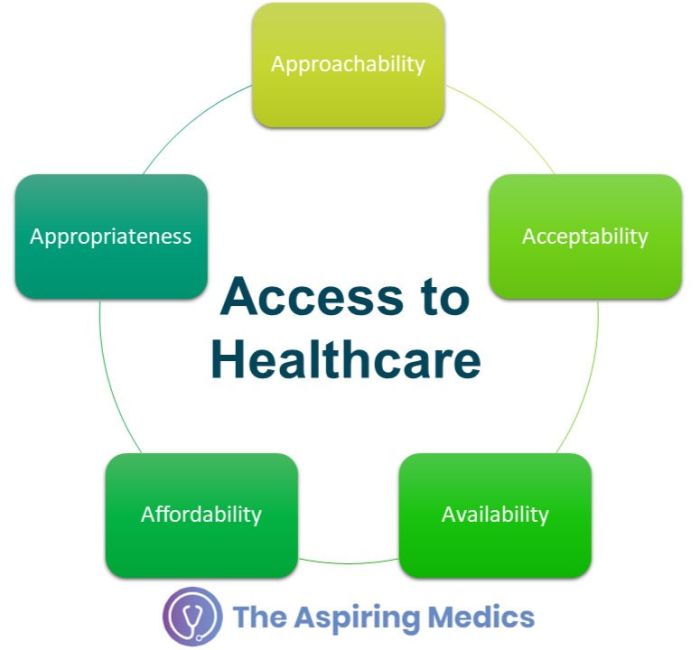
Public health plays a crucial role in promoting the overall well-being of individuals and communities. By focusing on preventive measures, education, and population-level interventions, public health initiatives aim to improve health outcomes and quality of life for everyone.Healthcare access is essential in reducing health disparities among different populations. It ensures that individuals have the necessary services and resources to address their healthcare needs, regardless of their socio-economic status or background.
Improving access to healthcare can lead to better health outcomes and a more equitable healthcare system.
Comparison of Public Health Initiatives in Different Countries
- United States: The U.S. focuses more on individual healthcare services rather than population-level interventions. The healthcare system is primarily driven by private insurance companies, which can lead to disparities in access and quality of care.
- United Kingdom: The UK has a publicly funded National Health Service (NHS) that provides universal healthcare coverage to all residents. Public health initiatives in the UK are more comprehensive and focus on prevention and health promotion.
- Canada: Canada also has a publicly funded healthcare system that provides universal coverage. Public health initiatives in Canada prioritize health equity and access to care for all residents, leading to better health outcomes across the population.
Prescription Drugs
Prescription drugs play a crucial role in healthcare access, providing necessary medications to treat various medical conditions. However, the accessibility and affordability of prescription drugs can significantly impact individuals’ ability to receive proper healthcare.
Impact on Healthcare Access
Prescription drugs are essential for managing chronic illnesses, preventing disease progression, and improving overall health outcomes. Limited access to these medications can result in worsened health conditions, increased hospitalizations, and higher healthcare costs in the long run.
Affordability for Different Socioeconomic Groups
The cost of prescription drugs can vary significantly based on insurance coverage, income levels, and out-of-pocket expenses. Lower-income individuals or those without adequate insurance may struggle to afford necessary medications, leading to medication non-adherence and adverse health outcomes.
Role of Generic Drugs
Generic drugs offer more affordable alternatives to brand-name medications, making essential treatments more accessible to a wider population. By providing cost-effective options, generic drugs help improve medication adherence, reduce healthcare costs, and enhance overall healthcare access for individuals from diverse socioeconomic backgrounds.
Preventive Medicine
Preventive medicine plays a crucial role in public health strategies by focusing on proactive measures to prevent diseases and injuries before they occur. By emphasizing prevention rather than treatment, healthcare systems can reduce the overall burden on resources and improve the health outcomes of populations.
Significance of Preventive Medicine
Preventive medicine aims to promote health and wellbeing by identifying risk factors and implementing interventions to reduce the likelihood of disease. This proactive approach not only improves individual health but also contributes to the overall health of communities and societies.
- Regular vaccinations can prevent the spread of infectious diseases, reducing the need for costly treatments and hospitalizations.
- Screening programs for conditions such as cancer and diabetes can detect diseases at an early stage when treatment is more effective and less expensive.
- Promoting healthy lifestyle behaviors, such as exercise and healthy eating, can prevent chronic diseases like heart disease and obesity.
Cost Savings with Preventive Medicine
Preventive medicine can lead to significant cost savings in the long run by reducing the need for expensive medical interventions and treatments. By investing in preventive measures, healthcare systems can avoid the financial burden of managing advanced stages of diseases and their associated complications.
“An ounce of prevention is worth a pound of cure.”
Benjamin Franklin
Primary Care
Primary care physicians play a crucial role in promoting public health by serving as the first point of contact for individuals seeking healthcare services. They focus on preventive care, early detection of health issues, and management of chronic conditions, contributing to overall wellness and disease prevention in communities.
Role of Primary Care Physicians
Primary care physicians are responsible for providing comprehensive and coordinated healthcare services to patients of all ages. They perform routine check-ups, screenings, and vaccinations, as well as manage common illnesses and chronic conditions. By establishing long-term relationships with patients, primary care physicians can better understand their medical history, lifestyle, and healthcare needs, leading to more personalized and effective care.
- Primary care physicians promote public health by emphasizing preventive measures such as vaccinations, screenings, and lifestyle modifications to reduce the risk of diseases.
- They play a key role in early detection and management of chronic diseases such as diabetes, hypertension, and heart disease, helping patients to maintain their health and quality of life.
- Primary care physicians serve as advocates for their patients, coordinating care with specialists, monitoring treatment plans, and addressing both physical and mental health needs.
Challenges in Accessing Primary Care Services
Underserved communities often face challenges in accessing primary care services, leading to disparities in healthcare outcomes. Limited availability of primary care providers, lack of health insurance coverage, transportation barriers, and socioeconomic factors contribute to reduced access to timely and quality care in these communities.
- Shortages of primary care physicians in rural and urban areas result in long wait times for appointments, limited availability of services, and inadequate follow-up care.
- Uninsured or underinsured individuals may delay seeking primary care due to cost concerns, leading to more advanced disease presentations and poorer health outcomes.
- Transportation issues, language barriers, cultural beliefs, and stigma around seeking healthcare can further impede access to primary care services, particularly for vulnerable populations.
Effectiveness of Primary Care in Preventing and Managing Chronic Diseases
Primary care has been shown to be highly effective in preventing and managing chronic diseases through early intervention, comprehensive care coordination, and patient education. By addressing risk factors, promoting healthy behaviors, and monitoring disease progression, primary care physicians can help patients achieve better health outcomes and quality of life.
- Regular visits to primary care physicians for preventive screenings and health assessments can detect risk factors for chronic diseases early, allowing for timely intervention and lifestyle modifications.
- Primary care physicians work closely with patients to develop personalized treatment plans, monitor disease progression, adjust medications, and provide ongoing support to manage chronic conditions effectively.
- Patients who receive consistent primary care experience fewer hospitalizations, better medication adherence, improved disease management, and overall higher satisfaction with their healthcare experience.
In conclusion, Public health and healthcare access are intertwined aspects that play a pivotal role in shaping the well-being of individuals and communities. By focusing on preventive measures, equitable access to prescription drugs, and strengthening primary care services, we can work towards a healthier future for all.
Questions Often Asked
How does public health contribute to overall well-being?
Public health initiatives focus on promoting healthy lifestyles, preventing diseases, and ensuring access to quality healthcare services, all of which contribute to improved well-being.
What role do generic drugs play in improving access to essential medications?
Generic drugs offer more affordable alternatives to brand-name medications, making essential treatments more accessible to a wider population.