Embark on a journey through the realm of cancer prevention medicine, exploring its significance and impact on healthcare with a focus on different medication types and biological mechanisms.
Delve deeper into the world of preventive medicine, prescription drugs, and primary care to understand their pivotal role in combating cancer effectively.
Cancer Prevention Medicine
Cancer prevention medicine plays a crucial role in healthcare by helping individuals reduce their risk of developing cancer. By taking these medications, people can proactively protect themselves against certain types of cancer.
Types of Cancer Prevention Medicines
- Chemopreventive Agents: These medications work by interfering with the process of cancer development, helping to prevent the growth and spread of cancer cells.
- Vaccines: Vaccines such as the HPV vaccine can prevent infections that may lead to certain types of cancer, such as cervical cancer.
- Hormone Therapies: Hormone-blocking medications can reduce the risk of hormone-sensitive cancers, such as breast and prostate cancer.
Biological Mechanism of Cancer Prevention Medicine
Cancer prevention medicines target specific pathways or mechanisms involved in the development of cancer. For example, chemopreventive agents may inhibit the proliferation of cancer cells or induce cell death in precancerous cells.
Commonly Used Cancer Prevention Drugs
- Tamoxifen: A hormone therapy drug used to reduce the risk of breast cancer in women at high risk of the disease.
- Aspirin: Studies have shown that regular use of aspirin may reduce the risk of colorectal cancer.
- HPV Vaccine: Protects against infection with certain strains of the human papillomavirus, which can lead to cervical and other cancers.
Prescription Drugs
Prescription drugs play a crucial role in cancer prevention by targeting specific pathways or processes that can lead to cancer development.
Effectiveness of Prescription Drugs vs. Over-the-Counter Medications
Prescription drugs are often more potent and targeted than over-the-counter medications when it comes to preventing cancer. They are designed to specifically inhibit or block certain mechanisms that promote cancer growth, making them more effective in some cases.
Obtaining Prescription Drugs for Cancer Prevention
Obtaining prescription drugs for cancer prevention involves consulting with a healthcare provider, such as an oncologist or primary care physician. They will assess your risk factors and determine the most appropriate medication for your specific situation. Prescription drugs can then be obtained from a pharmacy with a prescription from your healthcare provider.
Potential Side Effects of Prescription Drugs
While prescription drugs can be effective in preventing cancer, they may also come with potential side effects. These side effects can vary depending on the specific medication and individual patient. Common side effects may include nausea, fatigue, hair loss, and increased risk of infections. It is important to discuss any concerns about potential side effects with your healthcare provider before starting a prescription drug regimen for cancer prevention.
Preventive Medicine
Preventive medicine plays a crucial role in cancer prevention by focusing on reducing the risk factors that can lead to the development of cancer. It involves taking proactive measures to maintain overall health and well-being, thereby decreasing the likelihood of developing cancer.
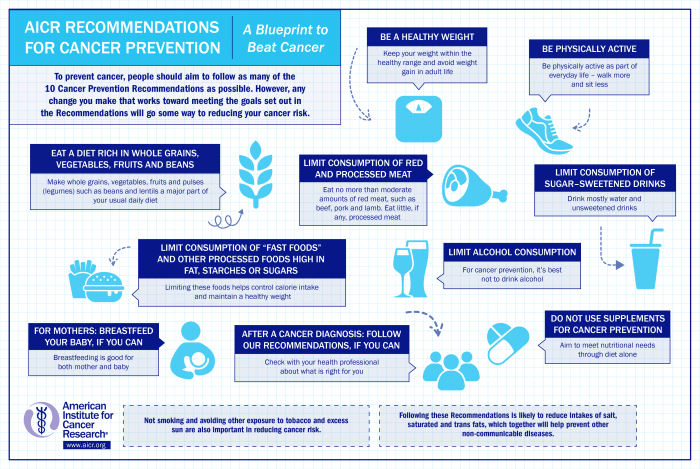
Lifestyle Changes for Cancer Prevention
Adopting certain lifestyle changes can significantly contribute to preventing cancer. These include:
- Following a healthy diet rich in fruits, vegetables, and whole grains
- Maintaining a healthy weight through regular exercise
- Avoiding tobacco and excessive alcohol consumption
- Practicing safe sun exposure to prevent skin cancer
- Getting regular screenings and check-ups
Integration of Preventive Medicine in Primary Care
Primary care settings play a vital role in integrating preventive medicine strategies to help patients reduce their risk of cancer. Healthcare providers can educate patients about healthy lifestyle choices, recommend screenings based on individual risk factors, and provide support and guidance to promote preventive measures.
Success Stories in Preventive Medicine
There are numerous success stories and case studies that highlight the positive impact of preventive medicine on cancer prevention. For example, individuals who have made significant lifestyle changes, such as quitting smoking or adopting a healthier diet and exercise routine, have seen a decrease in their cancer risk. Early detection through regular screenings has also led to successful treatment outcomes and improved survival rates for many patients.
Primary Care
Primary care physicians play a crucial role in cancer prevention and management by providing regular screenings, early detection, and preventive interventions. They are often the first point of contact for patients and are instrumental in promoting overall health and wellness.
Screening Protocols for Early Cancer Detection
Primary care providers follow specific screening protocols to detect cancer in its early stages when treatment is most effective. Common screening tests include mammograms for breast cancer, colonoscopies for colorectal cancer, and Pap smears for cervical cancer. These tests help identify cancer at an early stage, increasing the chances of successful treatment.
Importance of Regular Primary Care Visits
Regular visits to a primary care physician are essential for cancer prevention as they allow for routine screenings and monitoring of overall health. These visits provide an opportunity for early detection of any abnormalities or risk factors that may lead to cancer. Additionally, primary care providers can offer guidance on lifestyle modifications, such as diet and exercise, to reduce the risk of developing cancer.
Examples of Primary Care Interventions
- Providing smoking cessation counseling and support to reduce the risk of lung cancer.
- Recommending HPV vaccines for adolescents to prevent cervical, anal, and other HPV-related cancers.
- Encouraging regular skin checks and sun protection practices to prevent skin cancer.
- Promoting healthy weight management and physical activity to lower the risk of various types of cancer.
Public Health
Public health initiatives play a crucial role in promoting cancer prevention medicine by raising awareness, providing education, and implementing policies to improve access to preventive resources.
Impact of Public Health Policies
Public health policies have a significant impact on access to cancer prevention resources. These policies can influence funding for research, development, and distribution of preventive medicines, as well as the availability of screening programs and educational campaigns.
- Public health policies can help ensure that cancer prevention medicine is affordable and accessible to all individuals, regardless of their socioeconomic status.
- By implementing regulations and guidelines, public health initiatives can also promote healthy behaviors and lifestyle changes that reduce the risk of developing cancer.
- Furthermore, public health policies can support the integration of preventive medicine into primary care settings, making it easier for individuals to access preventive services.
Disparities in Availability
There are disparities in the availability of cancer prevention medicine within different communities, based on factors such as income, education, and geographic location. These disparities can result in unequal access to preventive resources and contribute to health inequities.
- Low-income communities may face barriers to accessing preventive services and medicines due to affordability issues or lack of healthcare infrastructure.
- Rural areas may have limited access to cancer prevention resources, such as screening programs or healthcare facilities, leading to disparities in preventive care.
- Educational campaigns and outreach efforts are essential to address these disparities and ensure that all individuals have access to cancer prevention resources.
Successful Public Health Campaigns
Several successful public health campaigns have been aimed at raising awareness about cancer prevention and promoting healthy behaviors to reduce the risk of cancer.
- The “Screen for Life: National Colorectal Cancer Action Campaign” encourages individuals to get screened for colorectal cancer, leading to early detection and prevention of the disease.
- The “Breast Cancer Awareness Month” campaign educates the public about the importance of early detection through mammograms and self-exams to reduce the impact of breast cancer.
In conclusion, the proactive approach of incorporating cancer prevention medicine into healthcare practices emerges as a crucial step in reducing the burden of this disease. By embracing preventive strategies and harnessing the power of prescription drugs, we pave the way for a healthier future free from the grips of cancer.
FAQ Compilation
How effective are lifestyle changes in preventing cancer?
Lifestyle changes play a significant role in cancer prevention by reducing risk factors such as smoking, unhealthy diet, and lack of physical activity.
Can over-the-counter medications be as effective as prescription drugs for cancer prevention?
Prescription drugs are often more potent and tailored to specific needs compared to over-the-counter medications, making them more effective in cancer prevention.
What are some successful public health campaigns focused on cancer prevention?
Campaigns like “Quit Smoking Now” and “Screen for Life” have been successful in raising awareness and promoting preventive measures against cancer.


